If you think of Mount Bromo, you probably picture breathtaking sunrises, dramatic volcanic landscapes, and unforgettable adventures. But behind its beauty lies a growing challenge that many visitors never see.
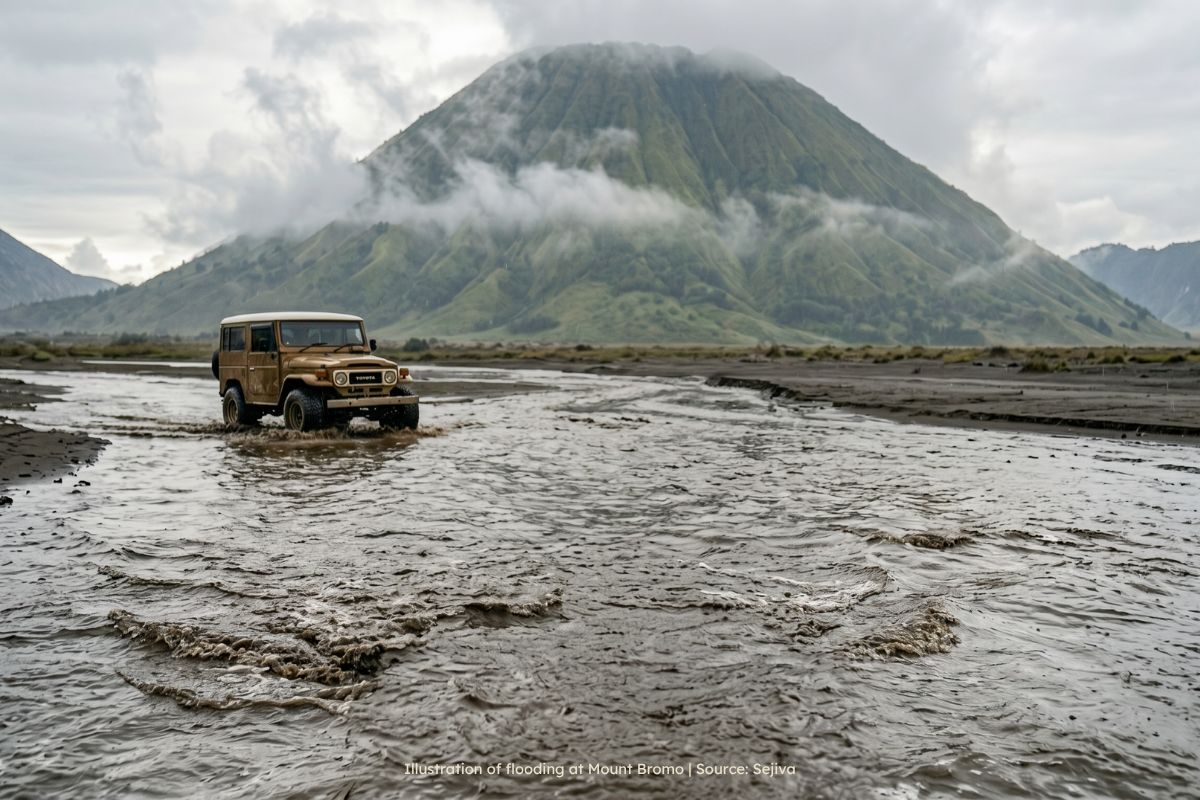
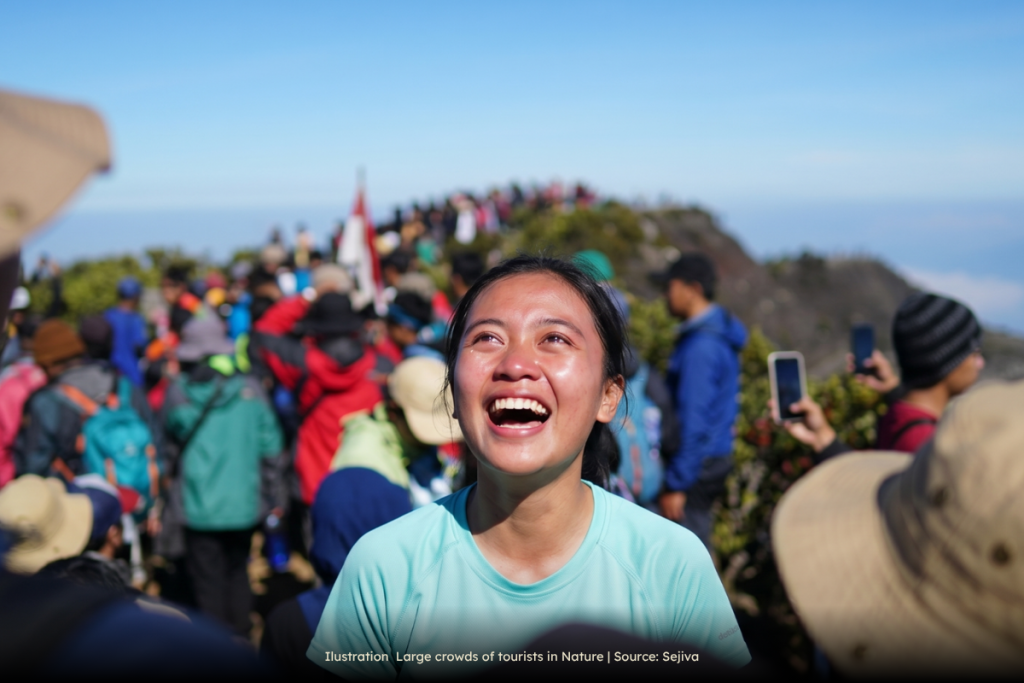
Increasing visitor numbers, unofficial vehicle routes, vegetation loss, and changing land-use patterns have contributed to environmental degradation across parts of the region. Researchers have also warned that these changes may increase flood risks by reducing the land’s ability to absorb water. Incidents such as forest fires caused by visitor negligence further highlight the need for more sustainable tourism management.
The situation at Bromo serves as an important reminder: every destination has its limits. Even the most spectacular places can become vulnerable when tourism grows faster than the environment can support. Responsible travel begins long before arrival, it starts with understanding the destination and its challenges.
every destination faces different environmental pressures
No two destinations are the same. Each place faces its own unique environmental challenges, shaped by its landscape, ecosystems, and patterns of tourism.
nature needs more than admiration
Mountain destinations like Bromo face a range of environmental pressures, from trail erosion and vegetation loss to habitat disturbance and stress on fragile ecosystems. While these impacts may seem small at first, they can accumulate over time and affect the health of the landscape. Simple actions such as straying from designated paths, leaving litter behind, or disregarding local regulations can contribute to lasting environmental damage.
coastal destinations face unique challenges
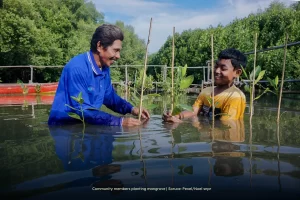
Beach and island destinations face a different set of environmental pressures. Coral reef degradation, marine pollution, plastic waste, coastal erosion, and rising sea levels can all threaten the health of coastal ecosystems. Making conscious choices, such as participating in environmentally responsible activities and disposing of waste properly, can help reduce these impacts and support the long-term well-being of these destinations.
natural resources are limited
Tourism also increases demand for essential resources such as water and energy. While individual actions may seem small, mindful consumption can make a meaningful difference. Using resources responsibly helps reduce pressure on local infrastructure and ensures that both communities and ecosystems can continue to thrive alongside tourism.
Also Read: Why Your Presence is The Key to Reef Recovery
tourism impacts communities
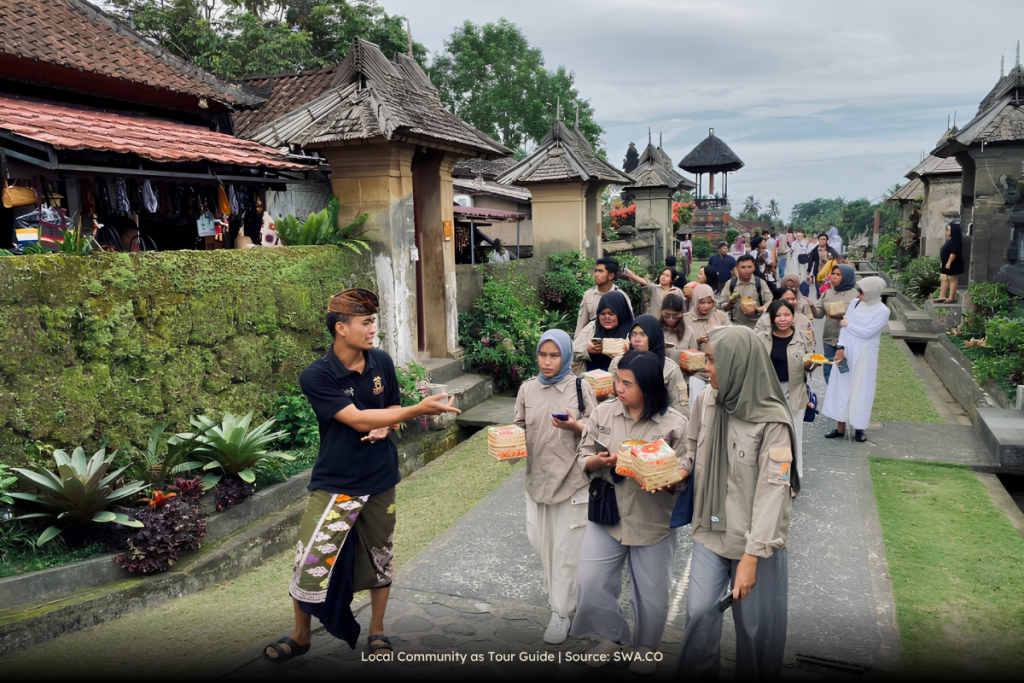
Tourism not only affects the environment, it also shapes the lives of local communities. Many destinations face challenges such as housing affordability issues, strained infrastructure, seasonal employment instability, and overcrowding. In some cases, increasing visitor numbers can contribute to rising living costs and reduced access to public spaces for local communities.
Understanding these challenges allows travelers to make more positive choices. Supporting local businesses, traveling during off-peak seasons, spending more time in fewer destinations, and choosing experiences that directly benefit local communities are all ways to help ensure that tourism creates value for both visitors and the locals.
Also read: Community Based Tourism: Who Owns The Story Behind Travel
cultural sensitivity matters
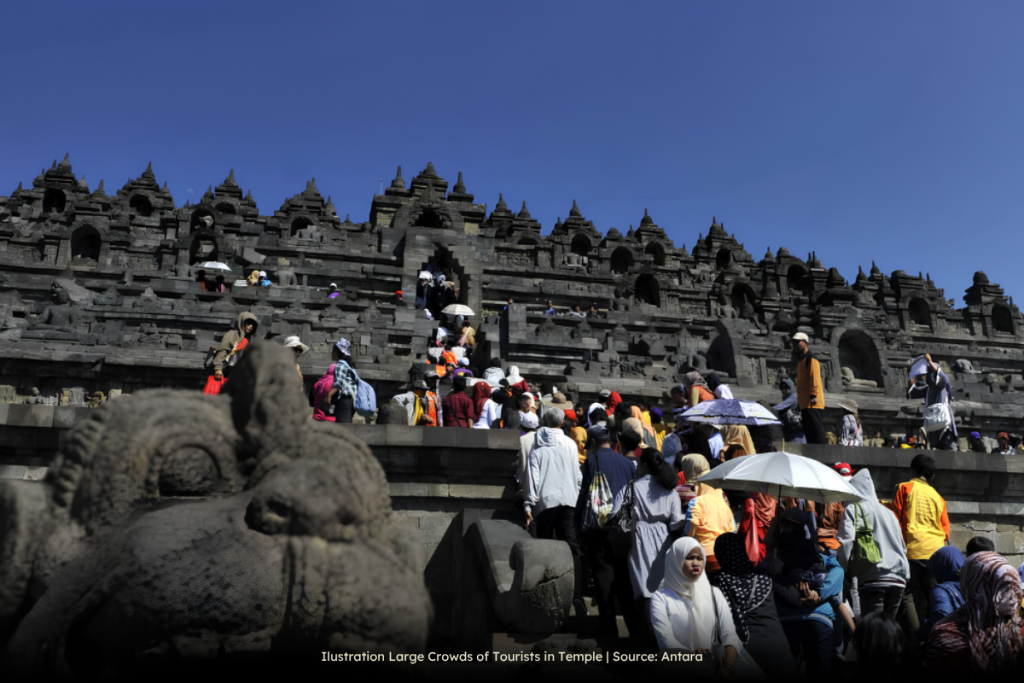
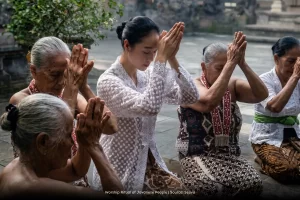
Cultural awareness is one of the most important, yet often overlooked, aspects of travel preparation. As tourism continues to grow, many destinations are working to preserve their cultural heritage, Indigenous traditions, and local identities.
Organizations such as UNESCO emphasize the importance of protecting both tangible and intangible cultural heritage, including traditional knowledge, languages, rituals, and historic sites.
Before you travel, take time to learn about:
- Local customs and etiquette
- Appropriate dress codes
- Religious practices and sacred sites
- Social norms and cultural values
Small efforts to understand local traditions can lead to more respectful interactions and help preserve cultural heritage for future generations.
your awareness can make a difference
The story of Mount Bromo is not just about environmental challenges, it is a reminder that every destination is shaped by the choices travelers make.
The places we enjoy today should continue to thrive for generations to come. Achieving that future requires a shared commitment from governments, tourism operators, local communities, and travelers who choose to act with awareness, respect, and responsibility.
Before your next journey, take time to learn about the destination beyond its attractions. Understanding the environmental, social, and cultural challenges a place faces can help you travel more thoughtfully and responsibly.
The more you know before you go, the greater your opportunity to create a positive impact when you arrive. After all, responsible travel begins not at the destination, but with the choices we make long before the journey starts.