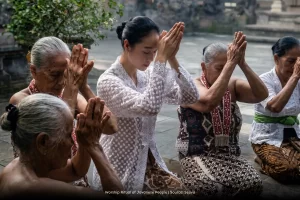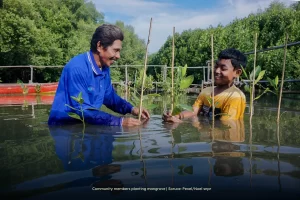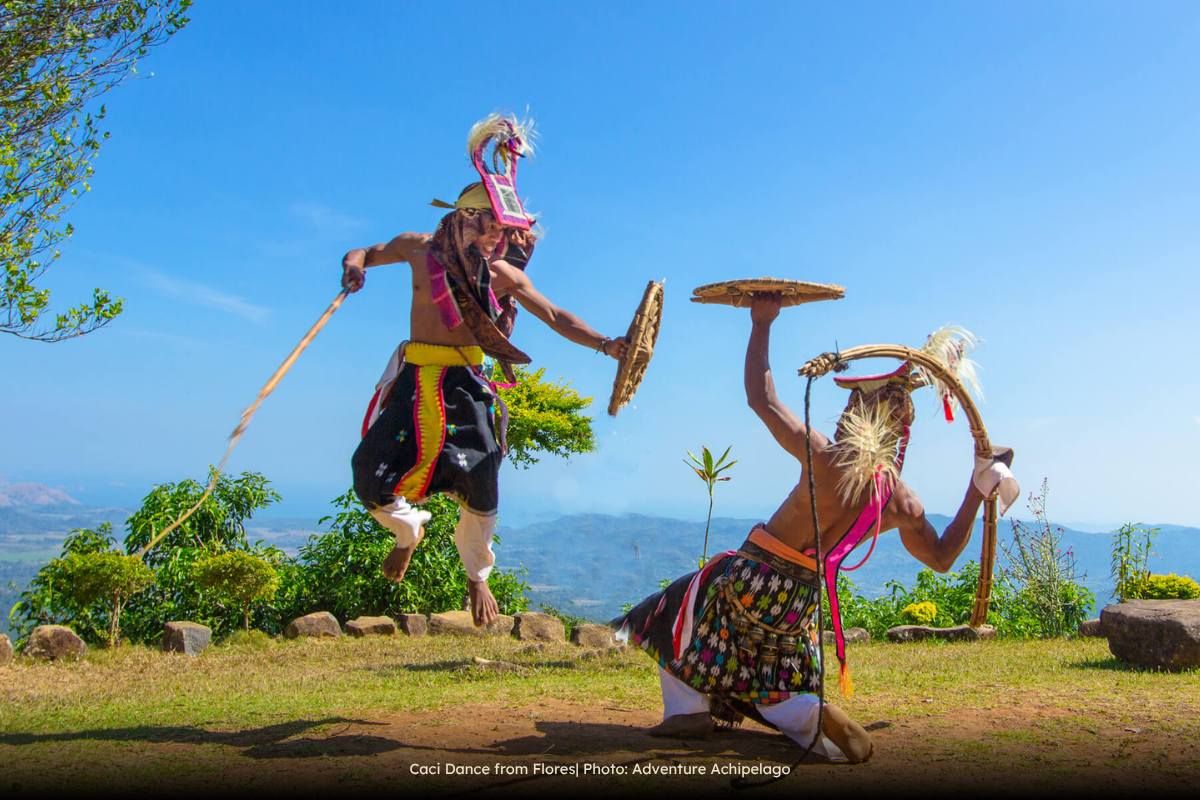
The air in the highlands of Flores is thick with the scent of woodsmoke and drying cloves. In villages like Ende or Wae Rebo, the welcome is always warm, a rhythmic dance, a shared betel nut, a seat on a hand-woven mat. But as you sit there, it’s worth wondering how our presence can truly support the people who have welcomed us so warmly. The most resilient communities are not those with the highest tourist traffic. Instead, they are the ones practicing Asset Framing, a perspective that refuses to define a village by its “poverty indicators”. They focus instead on latent strengths: ancestral wisdom that withstands time, strict ecological guardianship, and the social bonds that act as glue when crisis strikes.
from symbolic participation to community leadership
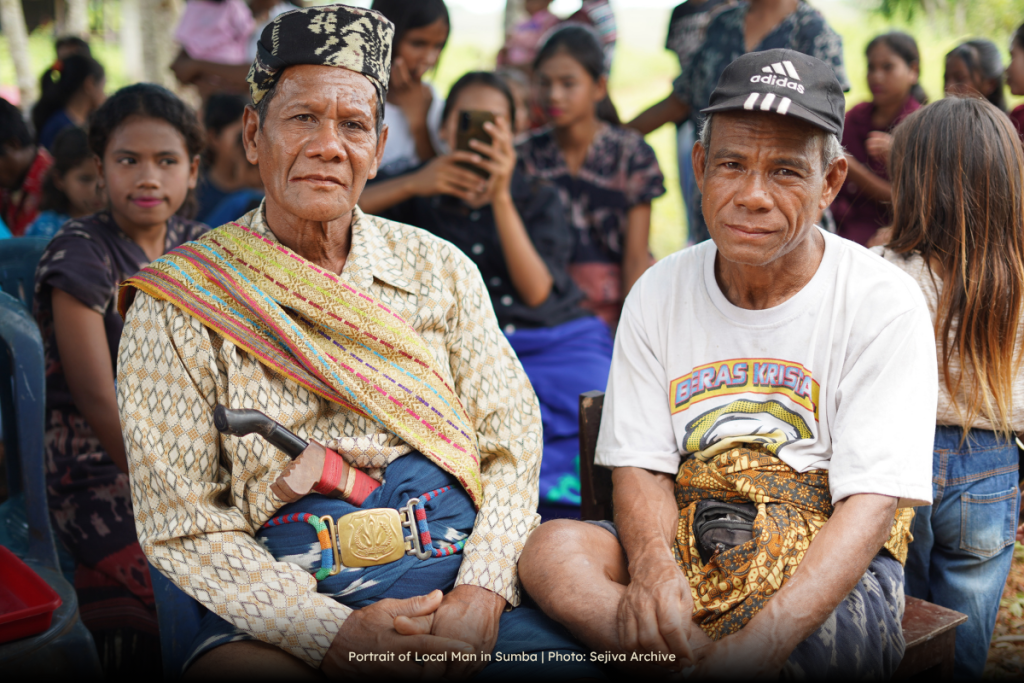
Often, communities are only involved ceremonially as welcoming dancers or souvenir makers. This is what is called token involvement. Authentic community-based tourism demands something deeper: Community Consent.
This means the local people have the right to say “no” to developments that do not align with their vision. Genuine community-based tourism requires more than just a “seat at the table.” It requires community consent and active participation in decision-making.
- Strategic Storytelling over Marketing Fluff: Try to avoid terms like “paradise” or “hidden gem” so destinations aren’t viewed merely as products.
- Transformative: You need a dialogue that acknowledges how the local community holds the “power dynamics” of their own land.
One trap of tourism is the creation of dependency. When tourism stops as it did during the pandemic many communities are paralyzed. Therefore, capacity building must not only focus on “how to be a good tourist guide.” Instead, it must focus on transferable skills that strengthen village resilience in other sectors, such as regenerative agriculture or collective management.
Also read: The Story of Purpose, Responsibility, and Leadership in Banda Neira
women and youth as agent of change
Globally, data shows that women do more than just domestic work. Women dominate the tourism workforce at 54% (UNWTO, 2019). In Indonesia, the numbers speak even louder: women are estimated to contribute to over 60% of the creative economy MSMEs. They are the pillars of welfare and the guardians of tradition.
In many villages, women are the keepers of the cultural and economic flame. When they secure access to fair wages and long-term capacity building, the impact is inherently systemic. They are not merely service providers; they are reinvesting in the nutrition, education, and health of their entire community.
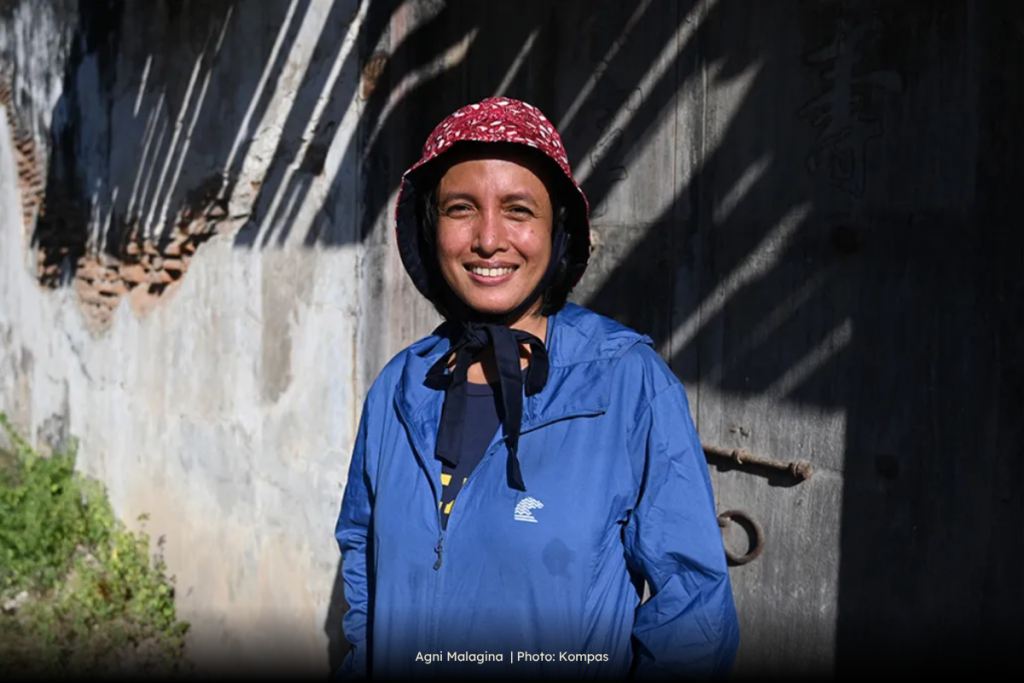
Take the story of Agni Malagina. In 2016, Agni founded Kesengsem Lasem to promote the tourism potential and history of Lasem. This movement successfully increased community awareness, especially among young people, to actively introduce their region.
In 2018, she established the Lasem Heritage Foundation to raise awareness of cultural heritage preservation. Through her community and foundation, Agni provides assistance to 72 batik houses and over a thousand employees. She also helps promote local MSME products through digital platforms to support economic recovery.
Agni Malania is one example of Women-led enterprises, when women in rural areas gain access to fair wages and long-term capacity building, it isn’t just “skills transfer”, it is the reclamation of local ownership
Also read: Women in Weaving Tradition
so, how do you become an aligned traveller?
It starts with asking the hard questions before you book. Seek out offbeat experiences that prioritize Meaningful Travel. Choose stays where the revenue stays in the village. Support initiatives that empower marginalized groups to be the protagonists of their own narrative.
Wait, isn’t the point of a vacation to relax, not to stress out?
Vacations may aim to relieve stress, but travel is only meaningful if you also choose to “live deep“. Seeing the nuances of complexity behind a destination is not a burden that ruins a holiday, it is a human act. It is an acknowledgment that every place you visit is home to someone with dreams and sovereignty as great as your own.
Let’s start a conversation: In your last journey, did you feel like a guest of the community, or a consumer of a commodity?
why people are at our core
We believe travel should empower the people who make it possible. By putting local communities in charge of their own land and culture. We go beyond “doing no harm” we create real hope through fair wages and inclusive opportunities. Our goal is to grow the #TravelPositive movement, where every journey strengthens society and respects the dignity of those who welcome us.