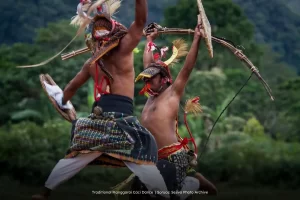
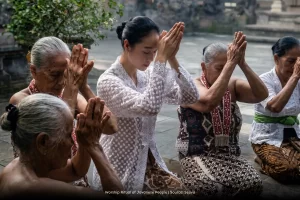
Indonesia is home to hundreds of ethnic groups, each with unique traditions that have been preserved for generations. One of the best ways to experience this rich cultural diversity is by attending indigenous cultural festivals held across the archipelago. More than just tourism events, these festivals celebrate local identity, preserve ancestral traditions, and provide communities with an opportunity to share their cultural heritage with the world.
From the highlands of Papua to the volcanic plateau of Central Java and the remote villages of Flores, August 2026 offers an exciting lineup of cultural festivals that showcase Indonesia’s living traditions. Here are five indigenous cultural festivals worth adding to your travel calendar.
1. baliem valley festival (7–9 august 2026)
Location: Wamena, Jayawijaya Regency, Highland Papua
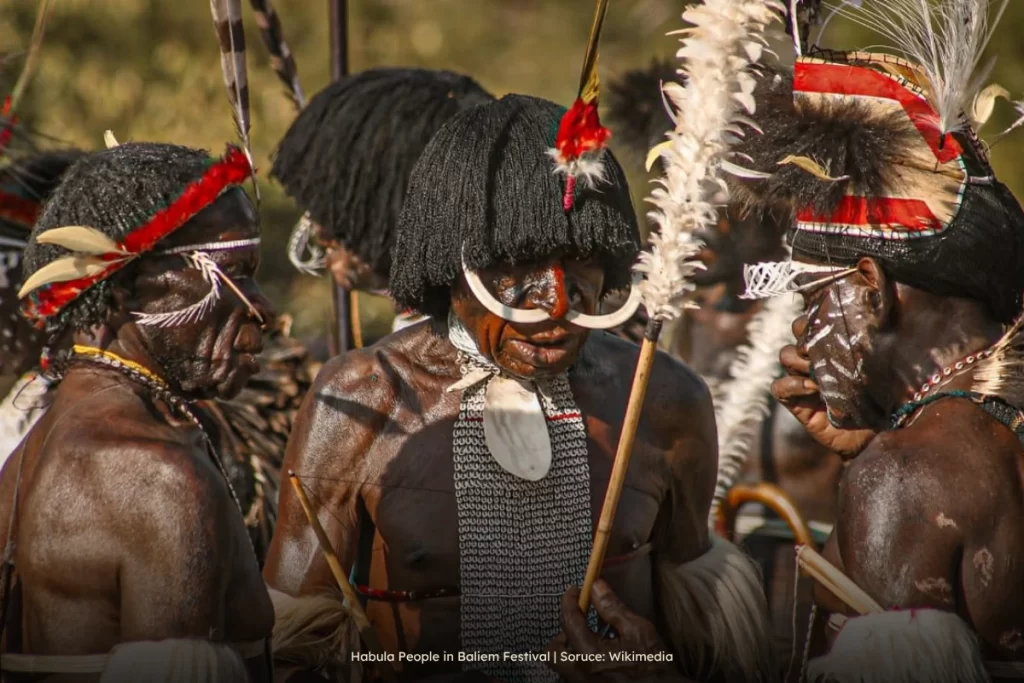
The Baliem Valley Festival is one of Indonesia’s most iconic cultural celebrations and has attracted international visitors since its debut in 1989. Bringing together ethnic groups of the Hubula (Dani), Yali, and Lani, the festival showcases the extraordinary culture of Papua’s communities.
Its most famous attraction is the traditional war reenactment, where warriors dressed in traditional attire demonstrate ancient battle formations using spears, bows, and arrows. While the performance may appear intense, it is a symbolic reenactment representing bravery, unity, and the importance of maintaining harmony among communities.
Visitors can also witness the Bakar Batu (stone-burning feast), a communal cooking tradition that symbolizes gratitude and togetherness. Other highlights include traditional Papuan dances, archery competitions, pig races, indigenous music performances, cultural parades, and exhibitions of handcrafted noken bags, wood carvings, and other local crafts.
Set against the breathtaking landscape of the Baliem Valley, the festival offers a rare opportunity to experience authentic Papuan culture while supporting the preservation of indigenous traditions.
2. kelimutu festival – pati ka du’a bapu ata mata (14 august 2026)
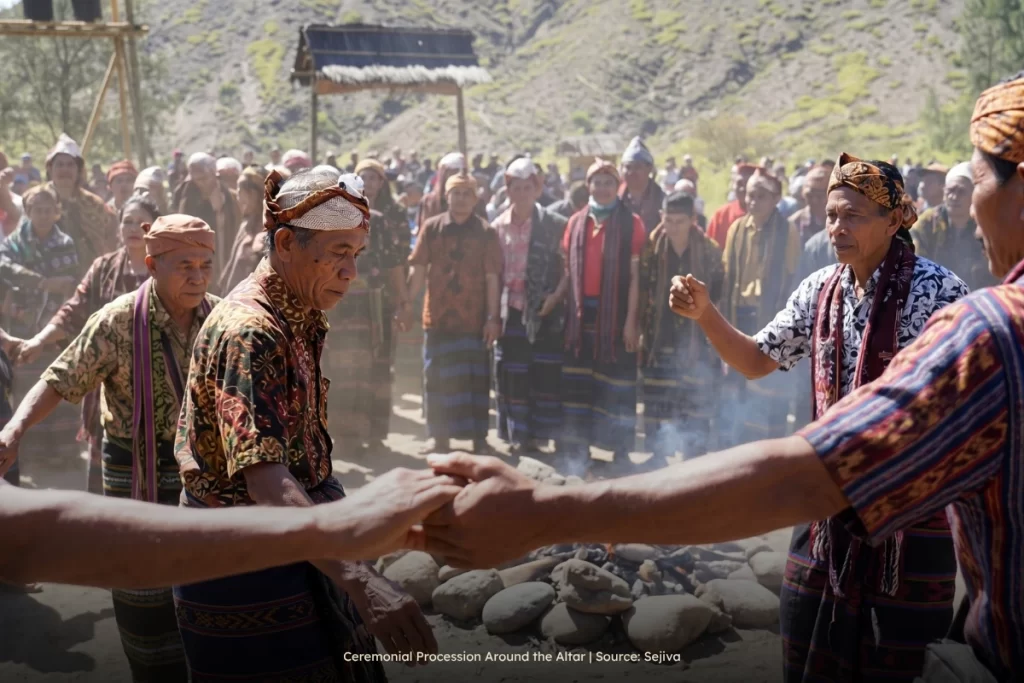
Location: Kelimutu National Park, Ende, Flores, East Nusa Tenggara
The Pati Ka Du’a Bapu Ata Mata ceremony is a deeply sacred ritual practiced by the indigenous Lio community of Ende. The ceremony is held as an offering to ancestral spirits believed to reside around the famous three-colored crater lakes of Mount Kelimutu. Community members, dressed in traditional woven attire, walk in procession carrying offerings of rice, local crops, betel nuts, coffee, and other agricultural produce.
Led by the Mosalaki, the traditional customary leader, prayers are offered to express gratitude for nature’s blessings while asking for health, prosperity, and harmony between humans, nature, and their ancestors.
Beside the ritual itself, the festival also features traditional dances, indigenous music, local handicraft exhibitions, culinary showcases, and performances celebrating the cultural identity of the Lio people. The combination of spiritual traditions and Kelimutu’s spectacular volcanic landscape creates one of Indonesia’s most meaningful cultural experiences
Also Read: Meaning of Pati Ka Du’a Bapu Ata Mata
3. pesona wae rebo festival (15 august 2026)
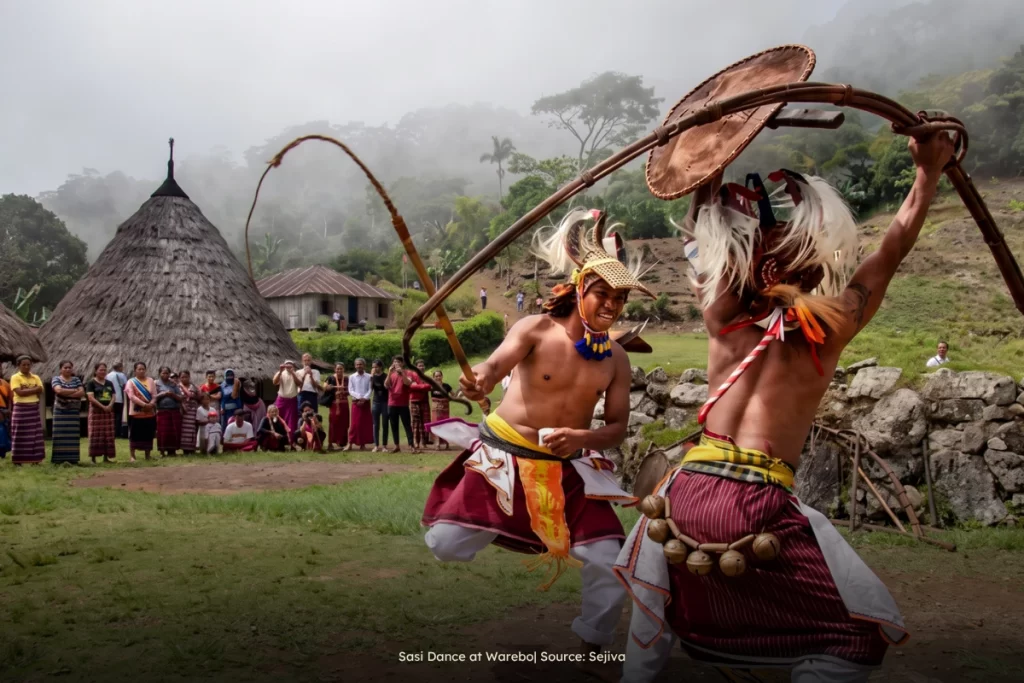
Location: Wae Rebo Traditional Village, Manggarai, Flores, East Nusa Tenggara
Nestled approximately 1,200 meters above sea level, Wae Rebo is often referred to as one of Indonesia’s most beautiful traditional villages. Surrounded by lush mountains, the village is famous for its seven iconic Mbaru Niang, cone-shaped communal houses that have become symbols of Manggarai culture.
The Pesona Wae Rebo Festival begins with the Waelu’u welcoming ceremony, an ancestral ritual performed to greet visitors and seek blessings from the village’s ancestors before anyone enters the settlement.
One of the festival’s biggest attractions is the Caci Dance, a traditional whip-fighting performance where two men engage in a ceremonial duel using whips and shields. Rather than promoting violence, the dance represents courage, sportsmanship, respect, and gratitude following the harvest season.
Visitors can also enjoy traditional weaving demonstrations, locally produced coffee tastings, cultural performances, culinary exhibitions, and storytelling sessions that introduce the history and philosophy of the Manggarai people. Spending a night inside an Mbaru Niang offers a truly immersive cultural experience unlike anywhere else in Indonesia.
4. lake sentani festival
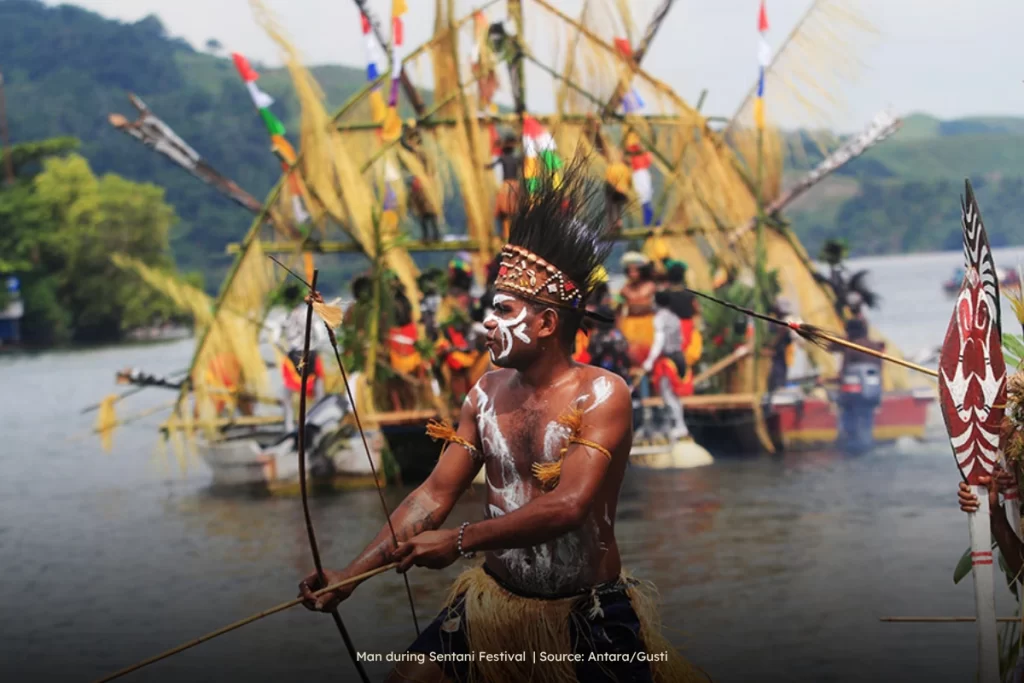
Pre-Event: 20–26 August 2026
Main Event: 3–5 September 2026
Location: Khalkote Beach, Lake Sentani, Jayapura Regency, Papua
The Lake Sentani Festival is the largest cultural celebration of the Sentani indigenous community and one of Papua’s most anticipated annual tourism events.
The festivities begin with a Pre-Event from 20–26 August, featuring community-based cultural activities, tourism promotions, creative workshops, exhibitions, competitions, and various public events that build excitement ahead of the main celebration.
The highlight arrives during the Main Event on 3–5 September, when dozens of beautifully decorated traditional boats across Lake Sentani carrying dancers perform the iconic Isosolo Dance. This spectacular performance symbolizes the deep connection between the Sentani people and the lake that has sustained their way of life for centuries.
Visitors can also enjoy traditional Papuan music performances, bark painting exhibitions, a signature art form of the Sentani people indigenous culinary experiences featuring dishes such as papeda and yellow fish soup, cultural parades, canoe races, handicraft markets, and exhibitions by local creative entrepreneurs.
The festival offers a vibrant celebration of Sentani heritage while strengthening community pride and promoting sustainable cultural tourism.
5. dieng culture festival xvi (28–30 august 2026)
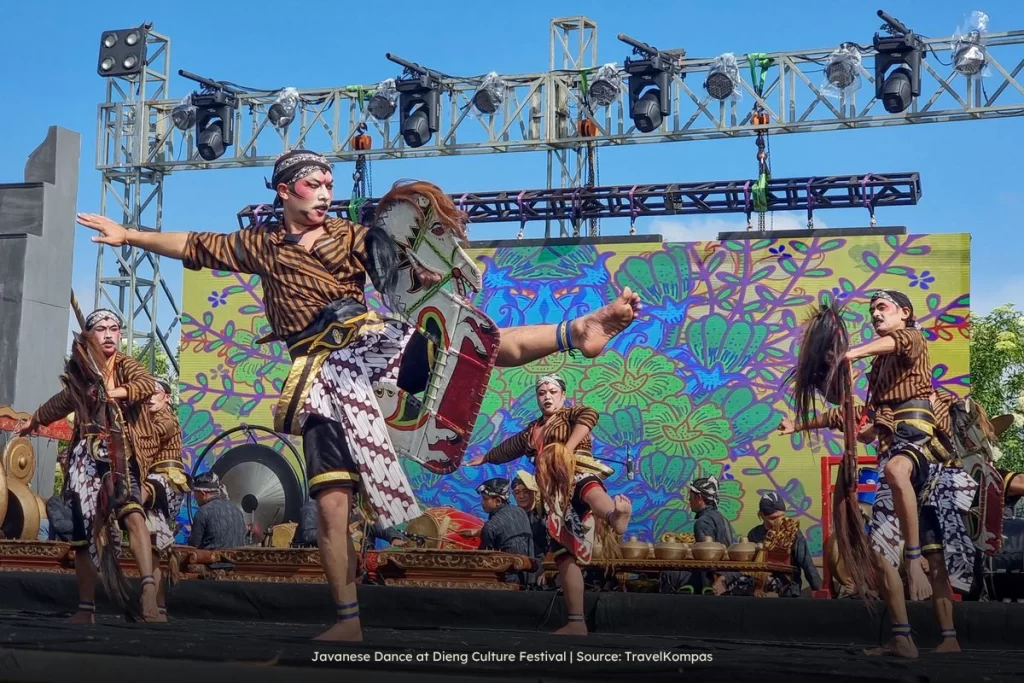
Location: Dieng Plateau, Banjarnegara, Central Java
Set against the stunning volcanic landscape of the Dieng Plateau, the Dieng Culture Festival blends centuries-old Javanese traditions with contemporary arts and music, creating one of Indonesia’s most celebrated cultural festivals.
The festival’s centerpiece is the Ruwatan Anak Gimbal, a sacred hair-cutting ceremony for children born with naturally matted hair. According to local belief, these children are considered spiritually special, and the ritual is performed only after each child’s personal wishes have been fulfilled. The ceremony symbolizes purification, gratitude, and blessings for the child’s future.
After the traditional procession, visitors can enjoy the renowned Jazz Atas Awan concert, lantern releases illuminating the night sky, traditional puppet performances, cultural parades, local coffee festivals, art exhibitions, and vibrant markets featuring local crafts and culinary specialties.
Combining breathtaking scenery, cool mountain air, ancient traditions, and modern entertainment, the Dieng Culture Festival has become one of Indonesia’s most distinctive cultural experiences.
celebrating indonesia’s living heritage
Each indigenous festival tells a unique story about the people who have safeguarded their traditions for generations. From the dramatic tribal war reenactments of Papua and the sacred ancestral offerings at Kelimutu to the ceremonial Caci dance in Wae Rebo and the spiritual hair-cutting ritual in Dieng, these celebrations reflect Indonesia’s extraordinary cultural diversity.
More than memorable travel experiences, these festivals provide meaningful opportunities to support indigenous communities, preserve cultural heritage, and promote sustainable tourism. Whether you are a culture enthusiast, photographer, or curious traveler, these festivals offer unforgettable experiences that reveal the true spirit of Indonesia.
Which festival will you add to your travel itinerary this year?