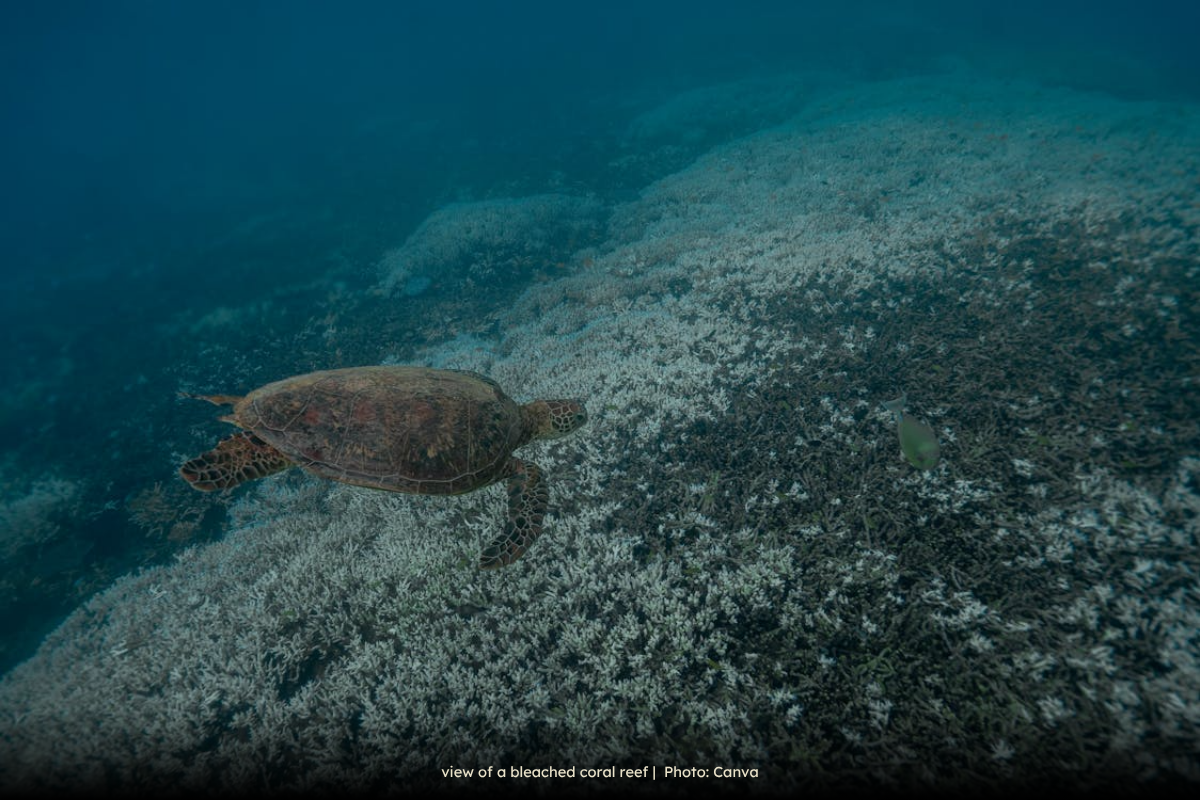
The National Oceanic and Atmospheric Administration (NOAA) reports approximately 84% of the world’s coral reefs are experiencing bleaching due to ocean temperatures hitting record highs in 2024. In Indonesia, this phenomenon isn’t just a statistic, it’s a siren wailing in our own backyard.
You are beginning to realize that simply protecting what remains is no longer enough. Leaving nature “alone” in the midst of a climate crisis will not heal the deep scars left by decades of extractive development. Our narrative must shift from static preservation to active regeneration.
So, how do you move from being a mere observer of nature to becoming an active participant in its recovery?
from symptoms to systems
Too often, we focus only on the symptoms. When erosion appears, we respond with building concrete sea walls, temporary fixes that don’t address the root cause. Regeneration, on the other hand, invites us to restore the system at its core.
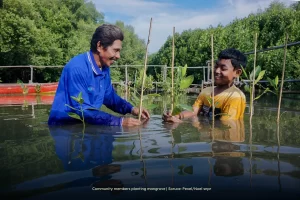
Indonesia holds a pivotal role in global conservation; according to the National Oceanic and Atmospheric Administration (NOAA), the country is home to 20.37% of the world’s mangroves.The good news? Mangrove rehabilitation efforts in Indonesia surged by 150.92% in 2024. The government’s target even reaches a staggering 221,000 hectares by 2045.
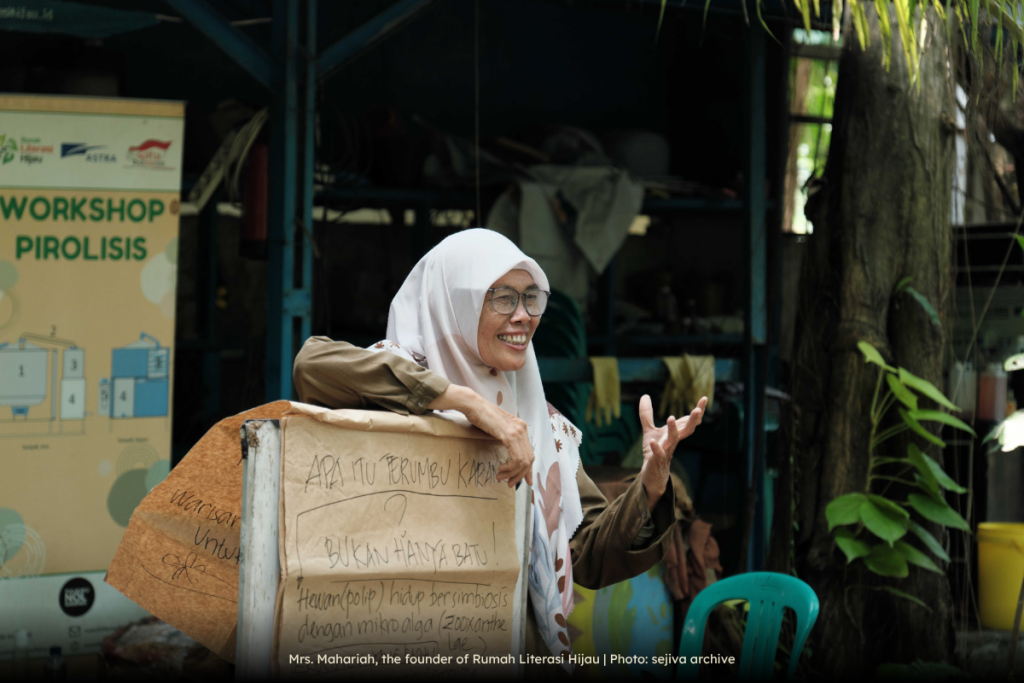
One powerful example of active marine regeneration can be found on Pramuka Island, through the Rumah Literasi Hijau (Green Literacy House) community. Through collective action, they are proving that restoring coastal ecosystems from planting mangroves to rehabilitating coral is an act of placemaking. It is about restoring the island’s dignity amidst climate degradation and mass tourism.
Instead of just “consuming” the beach, you can join this community movement. Every seedling you help plant or every educational session you support isn’t just a tally in an annual report. In the hands of local stewards, these actions become a “blue carbon” fortress. You are rebuilding the natural nurseries that protect marine life and bolster the economic resilience of islanders against the threat of rising sea levels.
the power of community-led action
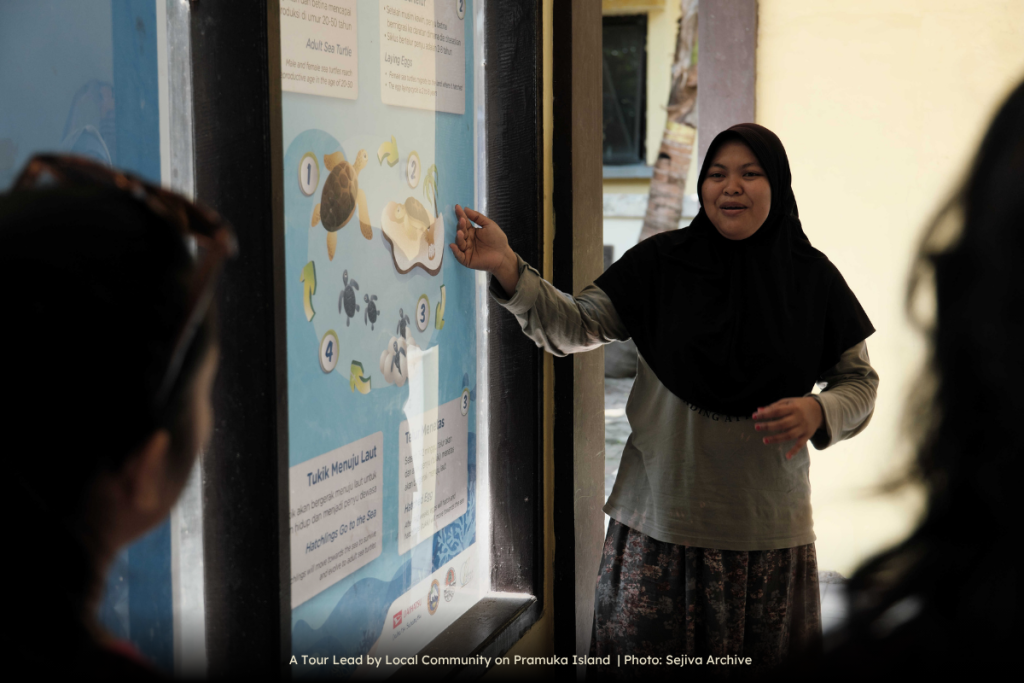
The most impactful environmental movements aren’t top-down mandates, they are community-led initiatives where you show up as a strategic partner. Data shows that local involvement in managing protected areas can increase conservation effectiveness multiple times over compared to external policing alone.
- Indigenous Wisdom as Strength: You can learn from indigenous groups, such as the Bayan people in Nusa Tenggara. Through Awig-awig (customary law), they have proven capable of guarding water systems and biodiversity. Their motivation is the strongest because their very survival depends on the health of the forest.
- Transformative Justice: Instead of shaming past practices, you can be part of the solution by providing alternative livelihoods. On Pramuka Island, the transition from exploitation to educational and regenerative tourism allows residents to remain empowered without destroying their own home.
- Real Resilience: Community-led rehabilitation is more sustainable because the people have an intrinsic bond with their land and water. You are there to amplify this resilience, ensuring that long-term impact outweighs any short-term “green” marketing project.
become a hero of recovery
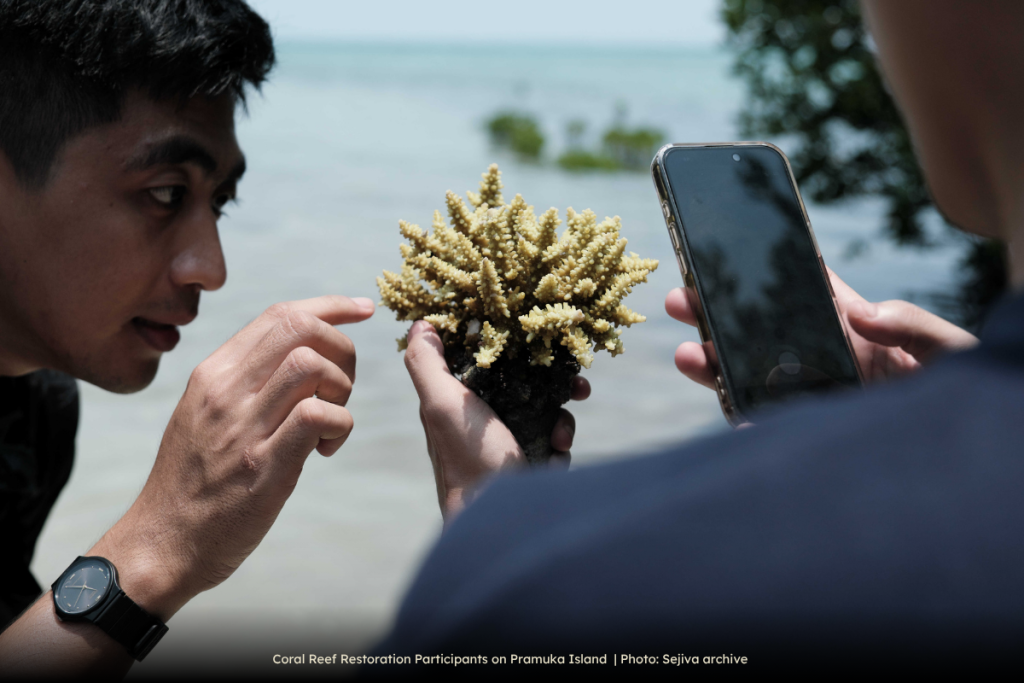
Can your journey truly restore an ecosystem? When you become an responsible traveler, you ensure your presence contributes positively to the planet’s life-support systems.
Tangible steps you can take:
- Support Asset-Based Initiatives:Choose destinations that prioritize local ownership. This ensures your contribution goes directly into local initiatives focused on education and the environment.
- Invest in Long-Term Impact: Understand that every journey leaves a footprint. By choosing regenerative travel, you are investing in the future availability of clean water, fresh air, and healthy ecosystems for the generations to come.
Regeneration is a long-haul journey that demands accountability from us all. The world doesn’t need more tourists, it needs regenerative heroes like you people who realize that a small action today is a massive legacy for the future.
Are you ready to be the next chapter in our planet’s recovery?
Source References:
National Oceanic and Atmospheric Administration (NOAA). (2024). Coral Reef Watch: Satellite Monitoring of Global Coral Bleaching Thermal Stress. U.S. Department of Commerce.
Badan Restorasi Mangrove dan Gambut (BRGM). (2024). Laporan Tahunan Target dan Realisasi Rehabilitasi Mangrove Nasional 2023-2024. Jakarta: Kedeputian Bidang Edukasi, Sosialisasi, dan Partisipasi.