In today’s social media era, zodiac signs are part of our daily conversations. But if you’re familiar with Javanese culture, you probably know there’s another system for understanding personality called Weton. But do you know how Weton actually reads a person’s character?
For hundreds of years, the Javanese people have had a unique way to understand human nature through weton, a combination of birth day and pasaran day. It is believed to reflect a person’s character, potential, and life harmony. While the zodiac reads people through the movement of the stars in the sky, weton reads people through the rhythm of time, numbers, and life philosophies deeply rooted in Indonesian culture.
So, what are the actual similarities and differences between Western astrology based on the zodiac, and Javanese astrology based on weton?
main difference: western astronomy vs javanese time philosophy
zodiac: reading the sky and the sun’s movement
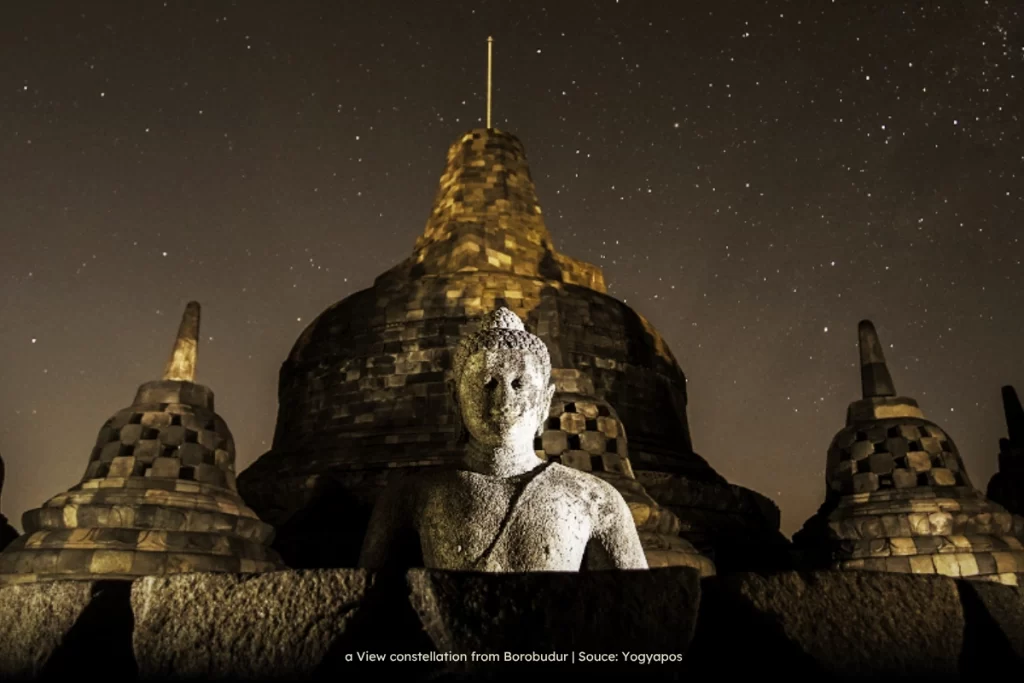
Western astrology is rooted in astronomy and the observation of celestial bodies. The zodiac system uses the sun’s position within twelve constellations as the basis for reading a person’s character. Because of this, Western astrology is closely linked to cosmic and celestial elements.
Research on astrology explains that modern society is most familiar with the “12 zodiac signs” associated with human personality. Characters in the zodiac are usually understood as a strong personal identity that tends to be expressed outwardly. It is no wonder that many people make the zodiac a part of their social identity:
“I’m an Aries, so I’m naturally ambitious.”
“I’m a Cancer, that’s why I’m sensitive.”
weton: reading time patterns and life harmony
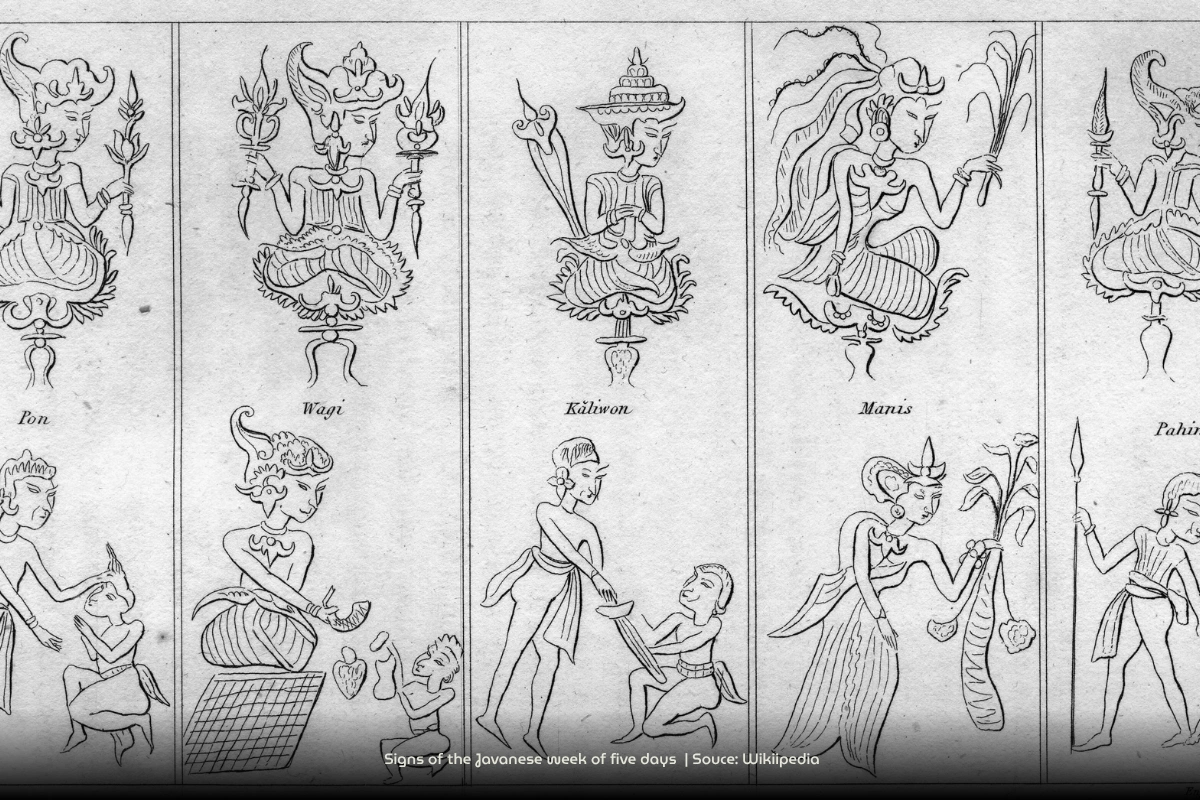
Unlike the zodiac, weton does not depend on the position of stars or planets. This system comes from the Javanese calendar, which combines two time cycles:
- Saptawara → the seven standard days (Senin–Minggu)
- Pancawara → the five Javanese pasaran days (Legi, Pahing, Pon, Wage, Kliwon)
The combination of these two forms a person’s weton.
In Javanese culture, weton is not just about prediction, but a way to understand life harmony. Numerical values called neptu are used to read compatibility, potential, and even good or bad days. In fact, ethnomathematics research shows that the weton system uses mathematical concepts like number patterns and modulo 5 in its calculation process.
This is what makes weton unique: it is not only a spiritual system, but also a form of ethnomathematics unique to Indonesia.
philosophy: individual ego vs life harmony
The biggest difference between the zodiac and weton is not actually in how they are calculated, but in how both view human beings. Western astrology tends to treat character as an individual identity. The focus is on self-actualization, personal expression, and strengthening the individual ego.
Meanwhile, in Javanese philosophy, weton is closer to the concept of rahsa or inner feeling. In Javanese tradition, character is not an absolute label, but an inherent trait that needs to be managed so that humans can live in harmony with their environment.
Research on weton and neptu mentions that this system is used as an approach to recognize and manage human character and potential, aiming for goodness and social harmony.
Therefore, in Javanese culture, weton is often associated with self-control, balance, and life harmony, not just a confirmation of personal identity.
weton in the modern era: what weton is used for
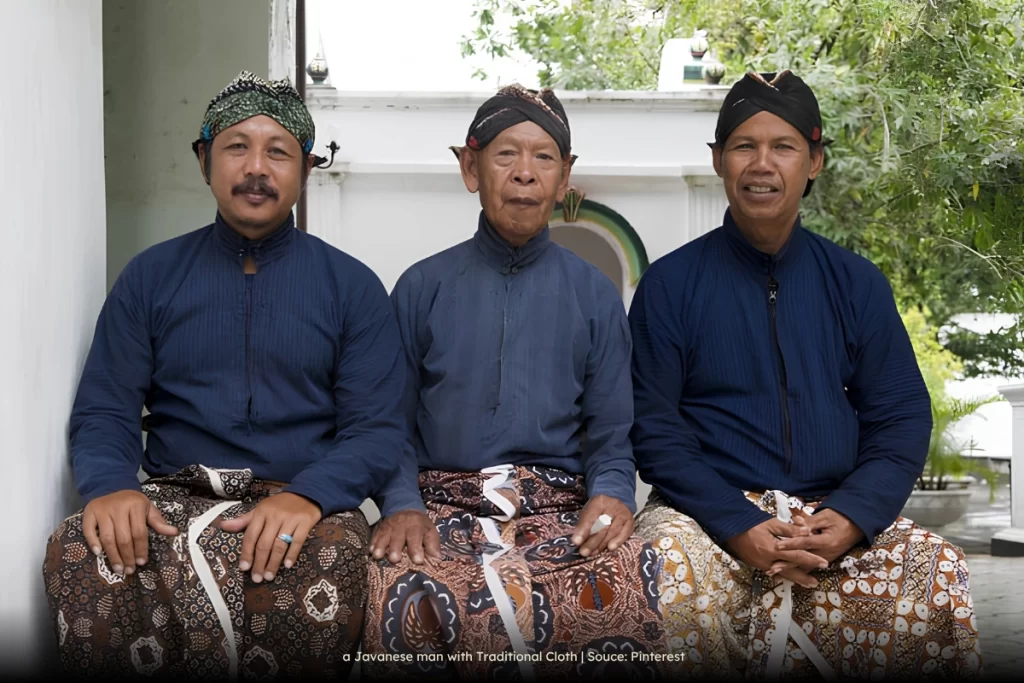
Even though times have changed, weton has not truly disappeared. In many Javanese regions, weton is still used to determine wedding dates, moving houses, starting a business, and checking partner compatibility. Some people even still view weton as a life guide that helps them understand their path in life.
This phenomenon shows something interesting: modern humans still need a way to understand themselves. The difference is that some people look for it through the zodiac, while others find it through cultural heritage like weton.