Long before modern schools existed, Ki Hadjar Dewantara felt something was missing. He noticed that people were taught to understand the world, but they were not taught to understand themselves.
Because of this, he created an approach called Sari Swara. It was inspired by an old book called Serat Sastra Gendhing. But Sari Swara was just a method in the class, it was a way to build a better human. It combined beauty, feelings, movement, and daily life into one.
In the Taman Siswa schools, this method was used to guide students gently, not force them. It is built on three simple but deep ideas:
- Wiraga (The Body)
- Wirama (The Rhythm)
- Wirasa (The Feeling)
At first, these three were used to teach dance. But over time, the meaning grew.
It became more than just art method, it became a guide on how to live life
wiraga: how body learning to be present
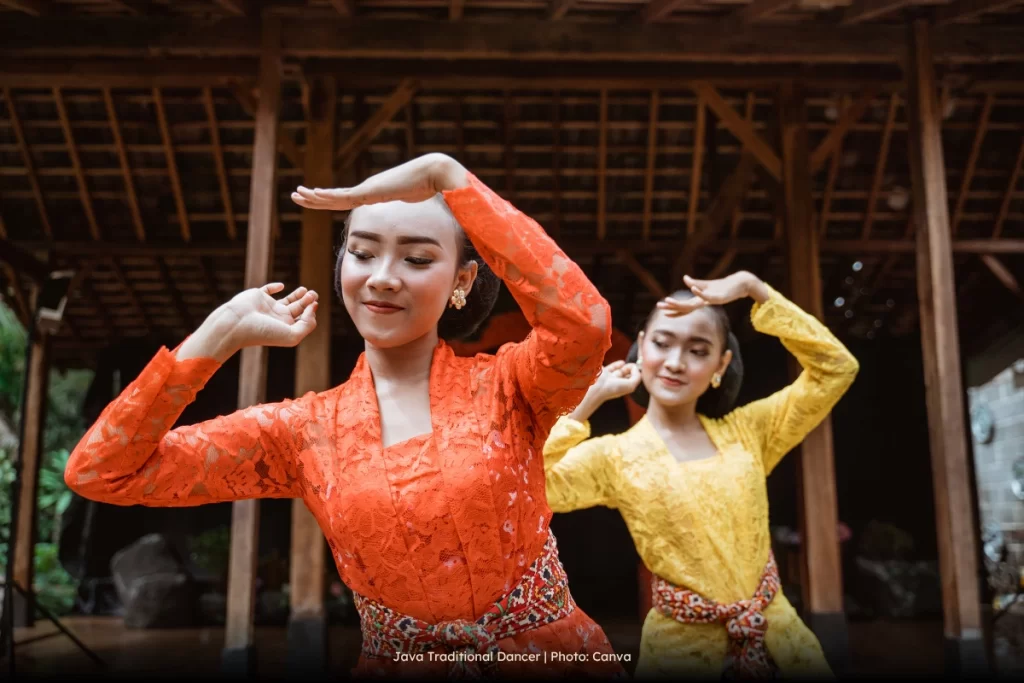
We often think of our bodies as something “automatic.”
We walk without realizing it. We sit without really feeling. We move without being present.
However, in Javanese philosophy, the body is the first door to learning. Wiraga invites us to realize that the body is not just a physical shape, but a space for experience. When someone is truly present in their body:
- Every movement becomes more mindful.
- Every position has meaning.
- Every action feels complete.
The body is no longer just “doing” things; it begins to experience them. This is where learning starts. It is not about what we think, but what we feel through our bodies. Because often, before we understand something in our heads, our bodies already “know” it.
wirama: aligning with the rhythm
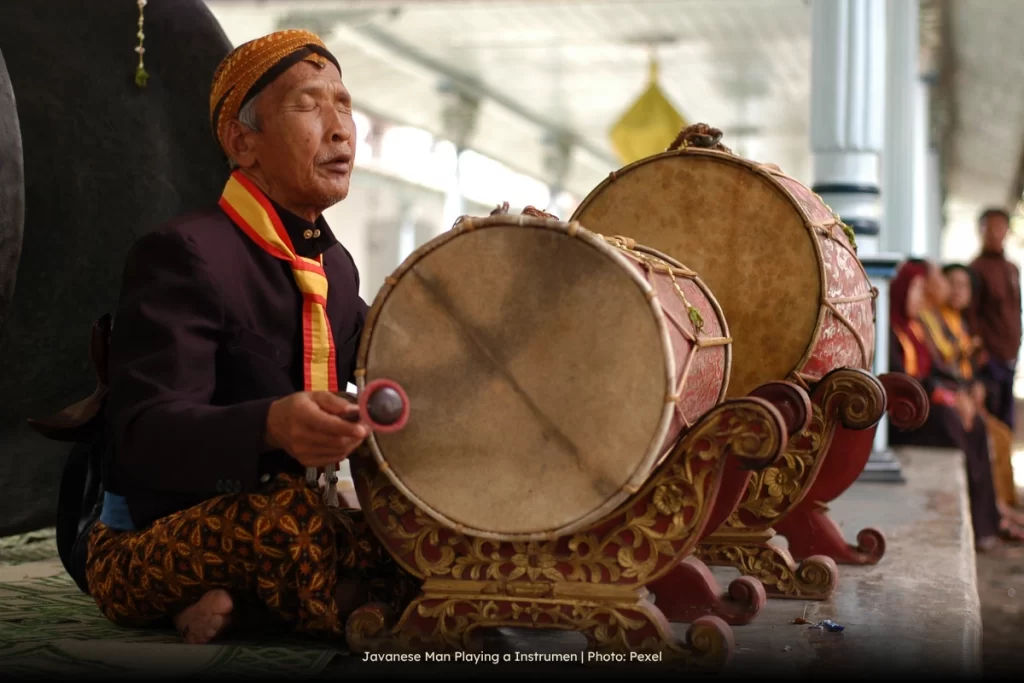
If Wiraga is about being present in the body, then Wirama is about how that body moves through the flow of life. Everything has a rhythm. Our heartbeat. Our footsteps. The way we speak, and even the way we make decisions.
But in modern life, this rhythm is often missed. We are used to moving too fast, as if everything must be finished immediately. Or, on the other hand, we feel lost because we cannot find the right tempo. Wirama teaches us something simple that we rarely do:
Life is not about going faster or slower; it is about being in sync.
When our rhythm is in sync:
- We are no longer rushing without a goal.
- We do not feel left behind.
- We begin to move with awareness.
In learning, Wirama means giving space. Space to understand, space to try, and space to fail then finding the right rhythm again. Because everyone has their own time.
wirasa: the sensitivity that brings everything to life
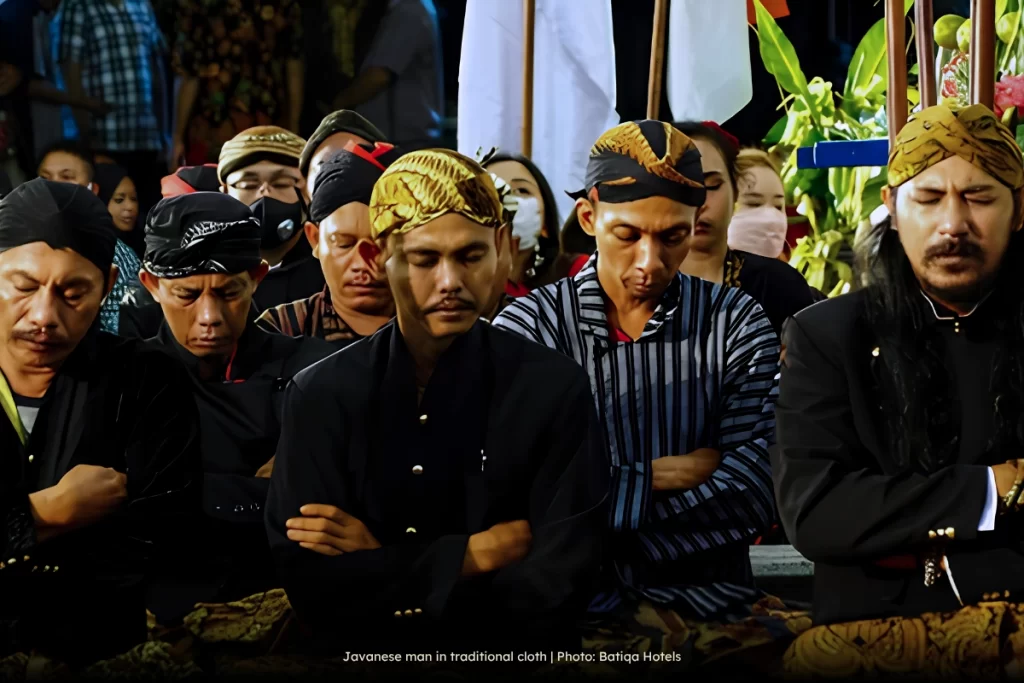
Then, there is the most subtle element, and often the hardest to explain: Wirasa. If Wiraga is the body and Wirama is the rhythm, then Wirasa is the soul of both. It is not just about personal feelings; it is about sensitivity. It is the ability to:
- Feel the atmosphere without needing an explanation.
- Understand others without many words.
- Find the meaning behind simple experiences.
Without Wirasa, movement is empty. Without Wirasa, rhythm becomes mechanical. But when Wirasa is present, something changes. Simple things become deep, and ordinary experiences become meaningful.
In Sari Swara, Wirasa is never taught directly. It cannot be forced or memorized.
It can only be grown through presence, through experience, and through openness.
the art of moving as one: body, rhythm, and presence
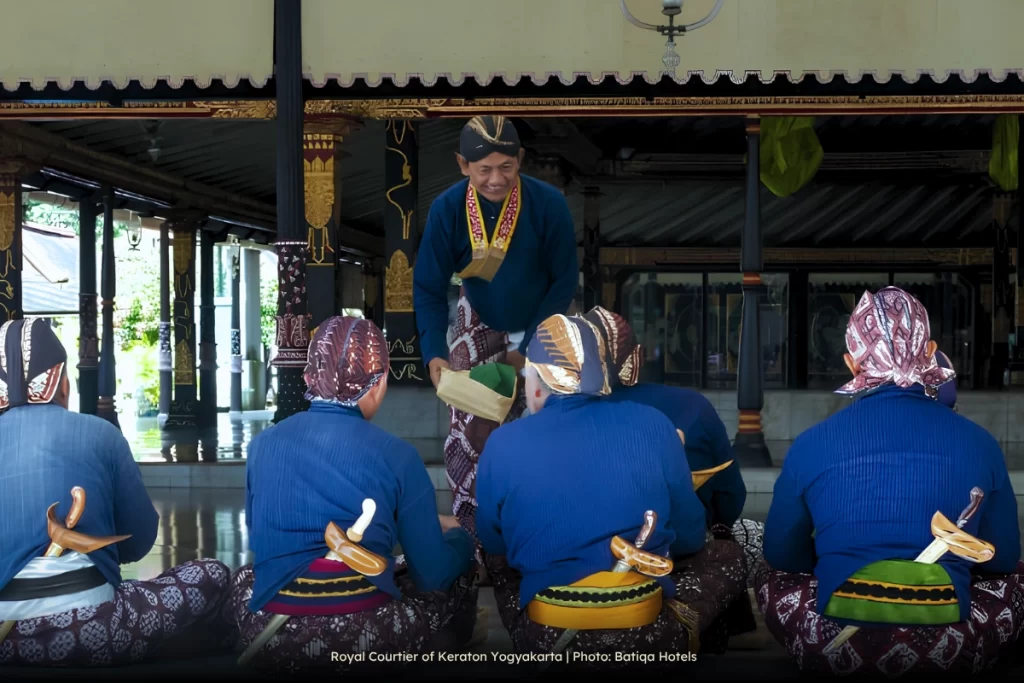
What makes this concept so powerful is not just the individual parts, but how the three work together. The body is present (Wiraga), moving in a balanced rhythm (Wirama), and guided by deep sensitivity (Wirasa).
It is like a harmony that isn’t loud, but is felt deeply. At that point, learning no longer feels like a forced process. It becomes something natural. It becomes something that grows.
One such experience unfolds in the Among Rasa: The Wisdom of Nusantara journey in Yogyakarta, a space where this philosophy is not just explained, but brought to life through movement, rhythm, and rasa (feeling).
If you wish to move beyond understanding and into direct experience, explore these teachings through the Among Rasa Yogyakarta journey.