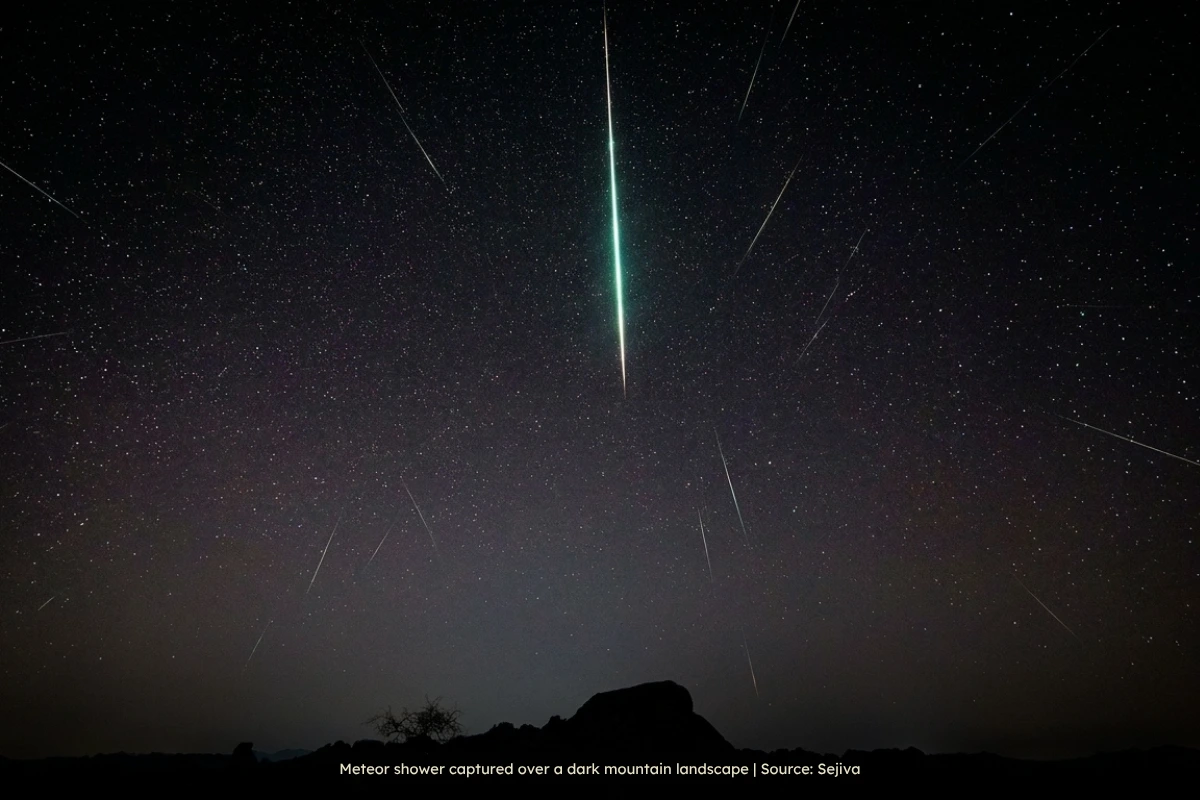
Have you ever spotted a bright streak of light racing across the dark night sky? Many people think it is a star and when they see it, they quickly make a wish. In reality, this fascinating phenomenon is known in astronomy as a meteor shower.
Meteor showers are among the most exciting events in the night sky. They happen every year, with different meteor showers appearing in different months. But how do meteor showers happen, and are they dangerous to Earth?
the science behind shooting stars
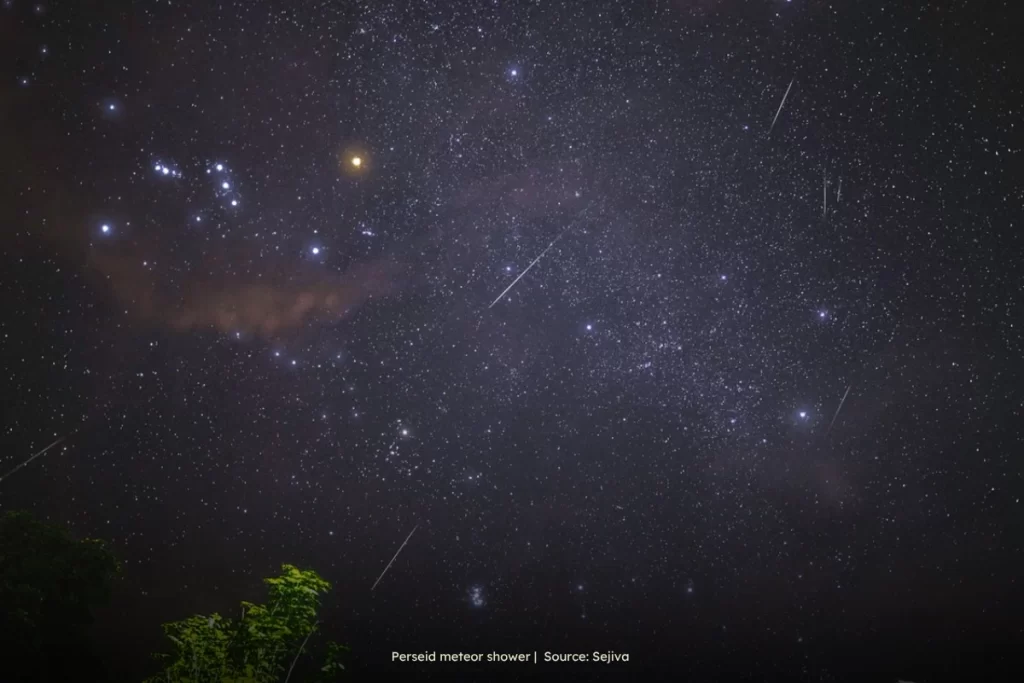
Despite the name, meteor showers have nothing to do with rain or stars falling from the sky. According to NASA, a meteor shower happens when many meteors appear in the sky at the same time. They seem to come from one point in the sky, called the radiant.
It all starts when a comet travels around the Sun. As the comet gets closer to the Sun, its ice heats up and turns into gas. This process releases billions of tiny dust and rock particles, known as meteoroids, along the comet’s path.
As Earth moves around the Sun, it sometimes passes through this trail of debris. When that happens, the particles enter Earth’s atmosphere and create the bright streaks of light we see as a meteor shower.
understanding the difference between meteoroids, meteors, and meteorites
Although they sound similar, they refer to different things.
Meteoroid
A meteoroid is a small rocky or metallic object traveling through space.
Meteor
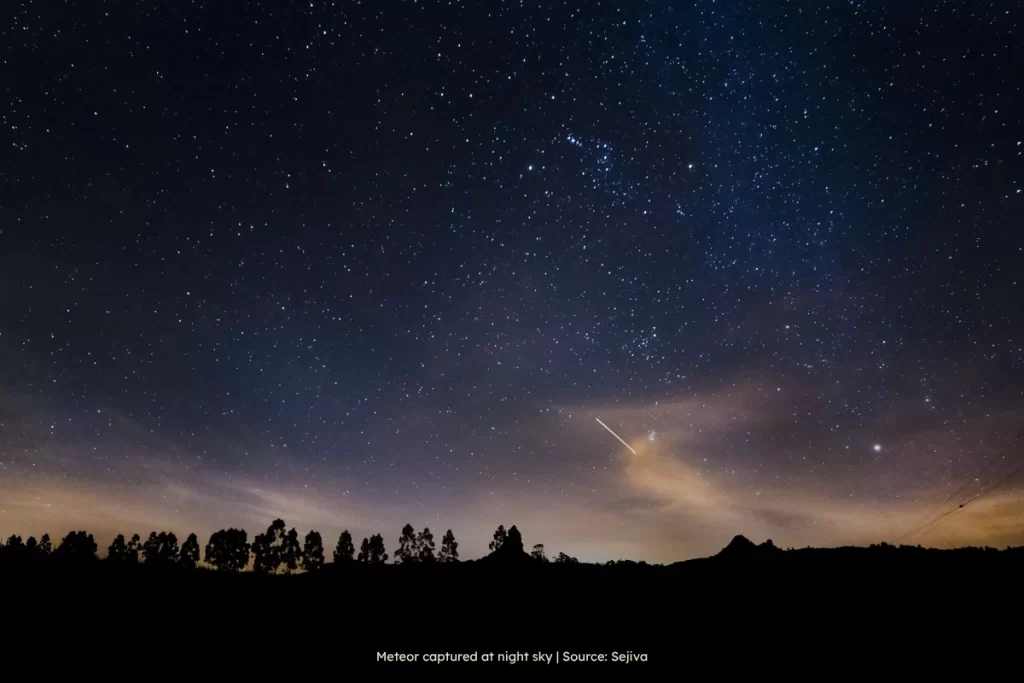
A meteor is a meteoroid that enters Earth’s atmosphere and burns up, creating a visible streak of light.
Meteorite
A meteorite is the portion of a meteoroid that survives its passage through the atmosphere and reaches Earth’s surface.
Fortunately, most particles responsible for meteor showers are incredibly small, sometimes no larger than a grain of sand. As a result, they almost always burn up completely in the upper atmosphere and pose no threat to Earth.
meteor showers have different names
Each meteor shower has its own source and annual peak period. Meteor showers are typically named after the constellation from which they appear to originate.
Some of the most well-known annual meteor showers include:
| Lyrids (April) | Originating from Comet Thatcher, the Lyrids are known for their bright trails that can linger in the sky for several seconds. |
| Perseids (August) | Produced by Comet Swift-Tuttle, the Perseids are among the most popular meteor showers due to their high activity rate and bright meteors. |
| Draconid (October) | The Draconids come from Comet 21P/Giacobini-Zinner. Unlike most meteor showers, they are best seen in the early evening and can sometimes produce hundreds of meteors in a short time. |
| Leonids (November) | Associated with Comet Tempel-Tuttle, the Leonids are famous for occasionally producing spectacular meteor storms. |
| Geminids (December) | Unlike most meteor showers, the Geminids originate from Asteroid 3200 Phaethon rather than a comet. They are known for producing bright, colorful meteors at a relatively slower speed. |
tips for watching a meteor shower
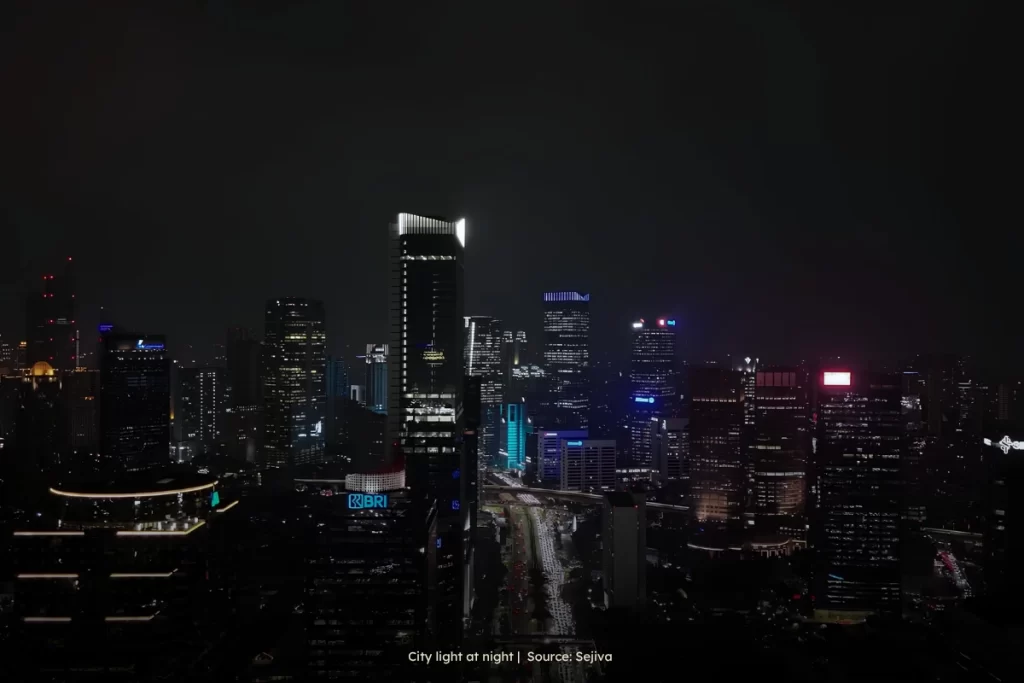
One of the greatest advantages of meteor showers is that they can be enjoyed without expensive telescopes or specialized equipment. In fact, the best viewing experience often comes from simply using your eyes and taking in as much of the sky as possible. However, there is one major obstacle to observing the night sky: light pollution.
why does light pollution matter?
Streetlights, buildings, billboards, and other artificial light sources illuminate the atmosphere. This light scatters off dust, water vapor, and air molecules, creating a bright glow above urban areas known as skyglow.
As a result, the naturally dark night sky becomes gray or yellowish, making faint celestial objects including many meteors difficult to see.
Imagine trying to spot a flashlight beam in a brightly lit room. The beam becomes much less noticeable because of the surrounding light. The same principle applies when observing meteor showers from a city.
finding the best location for meteor watching
Location plays a crucial role in maximizing your meteor shower experience. High-altitude areas far from urban development generally offer darker skies and better visibility.
In addition to reduced light pollution, higher elevations often benefit from cleaner air and thinner atmospheric layers. These conditions create what astronomers call good seeing conditions, allowing celestial objects to appear sharper and more detailed.
For those seeking an unforgettable stargazing experience, Journey Through Stars offers an exclusive Astronomy Trip this August and October in Sukabumi, Indonesia. Located in a highland area far from city lights, the destination provides ideal conditions for observing the night sky.
Participants will have the opportunity to learn about astronomy, explore the wonders of the universe, and witness the spectacular Perseid Meteor Shower (widely regarded as one of the best meteor showers of the year) and Draconid Meteor Shower, famous for its rare meteor outbursts and easy early evening viewing.