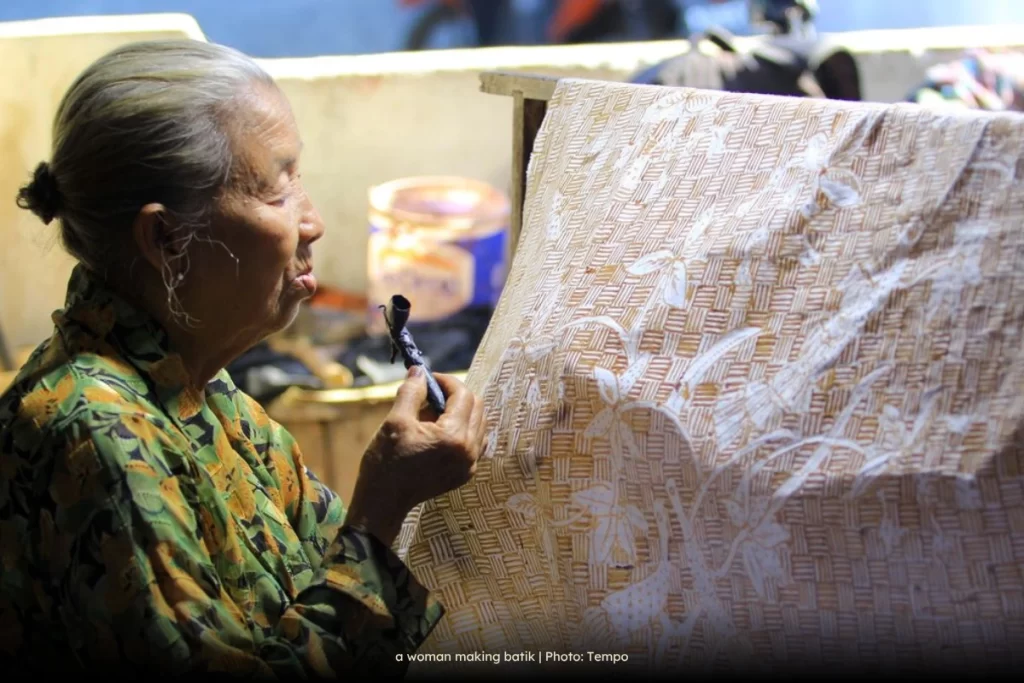
The sun has just risen in Solo, but the sharp smell of boiling batik wax is already moving through the narrow alleys of Kampung Batik Laweyan. Behind the high walls, you can hear the sound of the canting scratching across the mori cloth. This is a “symphony of work” that has lasted for hundreds of years, created by the skillful hands and business minds of the women known as Mbok Mase.
Also read: Laweyan – Exploring 500 years of solo’s batik history
the managers: why women held full control
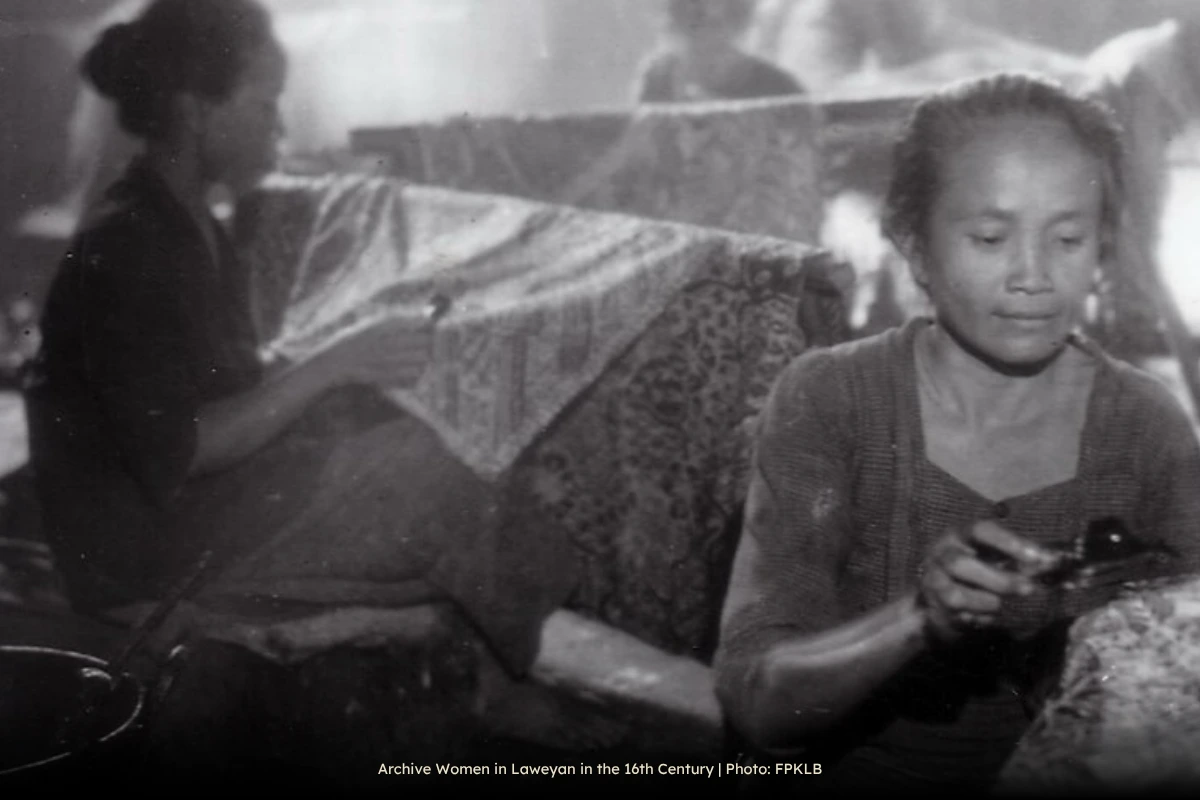
To understand the people of Laweyan, we must look at the unique way they divided household roles in the past . At that time, the men of Laweyan (Mas Ngabehi) usually focused on hobbies or social and religious activities. Meanwhile, the women (Mbok Mase) had full control economically, making and selling batik.
Mbok Mase is a title of respect for the great female batik business owners in Laweyan. Research by Wahyono (2014) shows that these women were natural “trade markers.” They were not just workers; they were managers. They managed raw materials from Arab and Chinese traders, decided which motifs would become popular, and even funded social movements.
One story shows just how much power they had. Once, the Palace (Kasunanan) wanted to borrow the best horses from Laweyan for royal ceremonies. In the strict Javanese culture, a King’s request was a command that no one could refuse. Yet, the Mbok Mase did the unthinkable: they refused. To them, a horse was not a ceremonial ornament, but vital logistical infrastructure. These horses were the “engines” used to deliver batik to big markets like Pasar Klewer and other regions. Without horses, the batik business would stop.
facing global competition and mass production
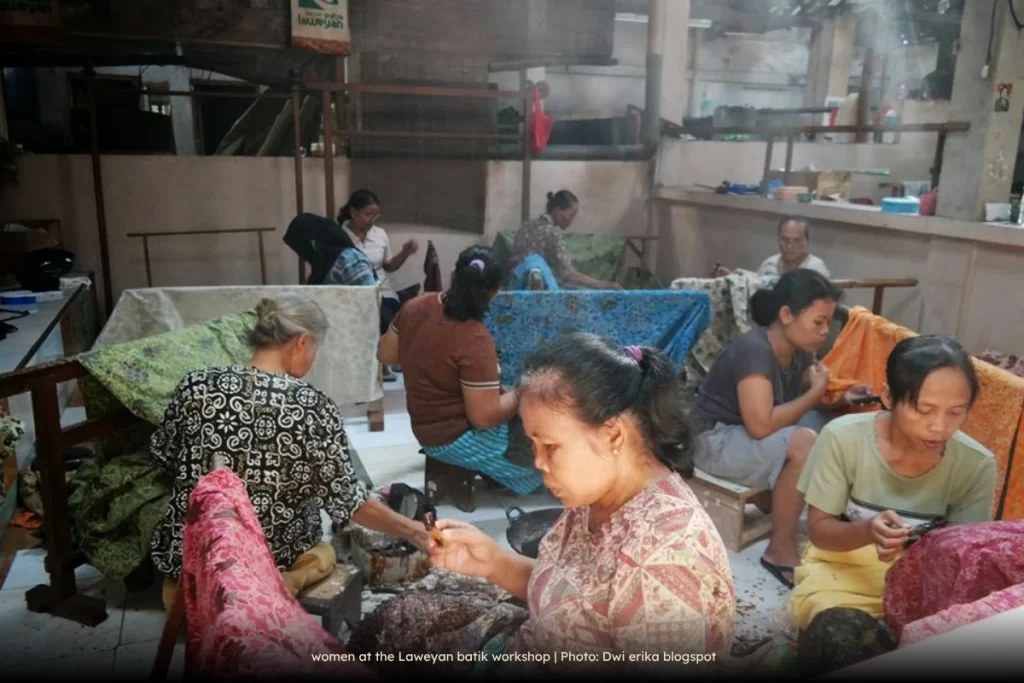
Today, the threat is different: mass-produced textiles with batik patterns. To fight this, the women of Laweyan have shifted their strategy from individual survival to collective resistance. Through the Forum Pengembangan Kampoeng Batik Laweyan (FPKBL), they realized that they cannot survive alone in global competition.
This is why they created a Collective Trademark. For the women of Laweyan, this is how they protect the real value of cloth made through the processes of nyanting, nembok, and lorod. They want the world to see that these fabrics have a high value. They educate the market so people understand the difference between cold machine-printed cloth and real batik that has the “soul” of the maker.
educating the market about the “soul of the artisan”
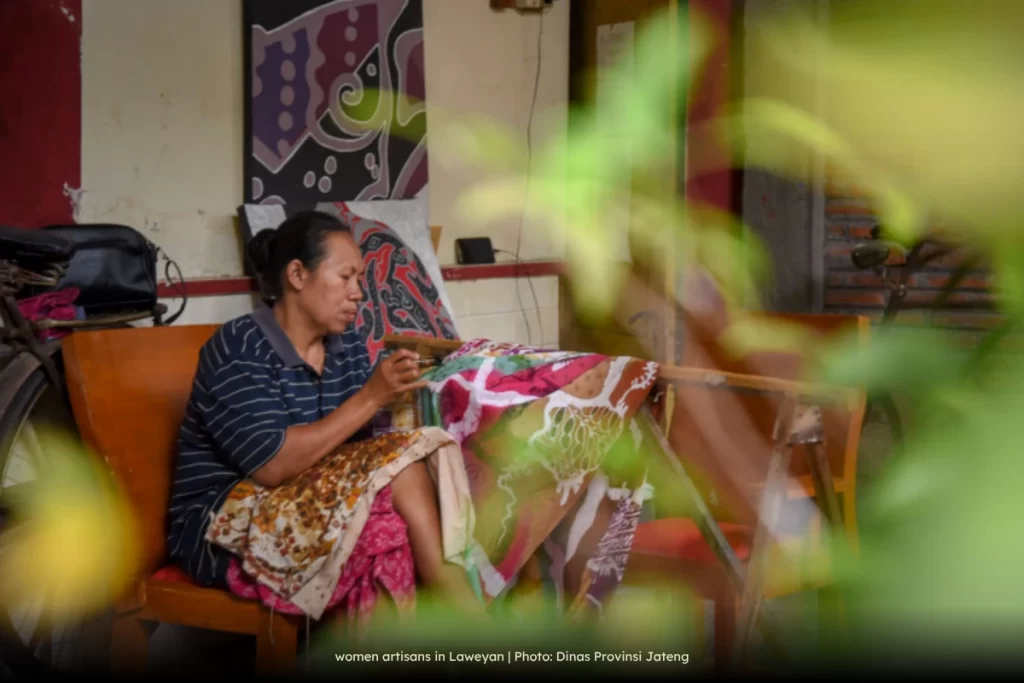
The story of Laweyan’s women proves that sovereignty over one’s fate and finances does not require abandoning cultural roots. Historically, their power was rooted in a practical, hands-on education. Mbok Mase did not just manage workers; they mentored younger women in the complex logic of the batik industry from the technical precision of nyanting to the sharp calculations of market trade. This was education as a form of survival, ensuring that every woman in the compound possessed the skills to be financially independent. They taught that a woman’s place was not just at the home, but at the center of the ledger and the supply chain.
Today, this spirit of education has evolved into a strategic defense against global competition. Through the Collective Trademark and the FPKBL, their role as educators has shifted toward the consumer and the digital world. They are no longer just teaching how to make batik, but how to value it. By educating the market on the difference between mass-production and handcrafted art, they are protecting the economic future of their community.
Through the years, this impact has been profound. The power of the Mbok Mase has transformed the image of the Javanese woman from a passive figure into a sovereign subject. In their hands, a piece of cloth is more than just a commodity; it is a lived narrative of courage, independence, and love passed down not just through dots of malam, but through the conscious empowerment of every generation that follows.
Let’s Discuss: With the rise of fast fashion, what do you think is the best way to keep the economic power of women artisans like those in Laweyan relevant for the next generation?
Source References:
Sardjono, A., et al. (2015). Development of Collective Trademark for Batik Industry in Kampung Batik Laweyan, Solo. Indonesia Law Review.
Wahyono, T. T., et al. (2014). Perempuan Laweyan Dalam Industri Batik Di Surakarta. Balai Pelestarian Nilai Budaya Yogyakarta.