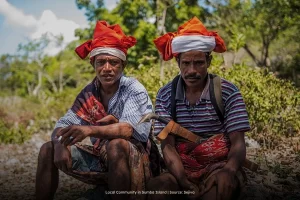
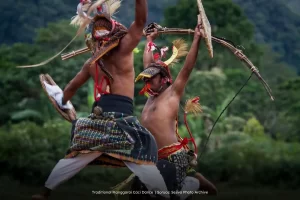
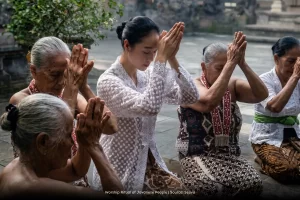
As the world marks the International Day of the World’s Indigenous Peoples on 9 August, it is an opportunity to recognize that Indigenous communities have long been among nature’s most effective stewards. Across generations, their traditions, customary laws, and deep understanding of local ecosystems have protected forests, rivers, and oceans in ways that continue to inspire modern conservation efforts. Their knowledge is not only a cultural legacy, but also a valuable guide for building a more sustainable future.
when culture becomes environmental protection
Long before environmental regulations were codified into law, many Indigenous societies developed their own systems for managing natural resources. These systems were grounded in local knowledge, reinforced by community consensus, and often intertwined with spiritual beliefs.
Rather than treating forests, rivers, and seas as commodities, many communities regarded them as shared inheritances that demanded care and restraint. Cultural taboos, seasonal restrictions, and customary sanctions helped prevent overexploitation while ensuring that future generations could continue to rely on the same ecosystems.
sasi laut: allowing the ocean to breathe
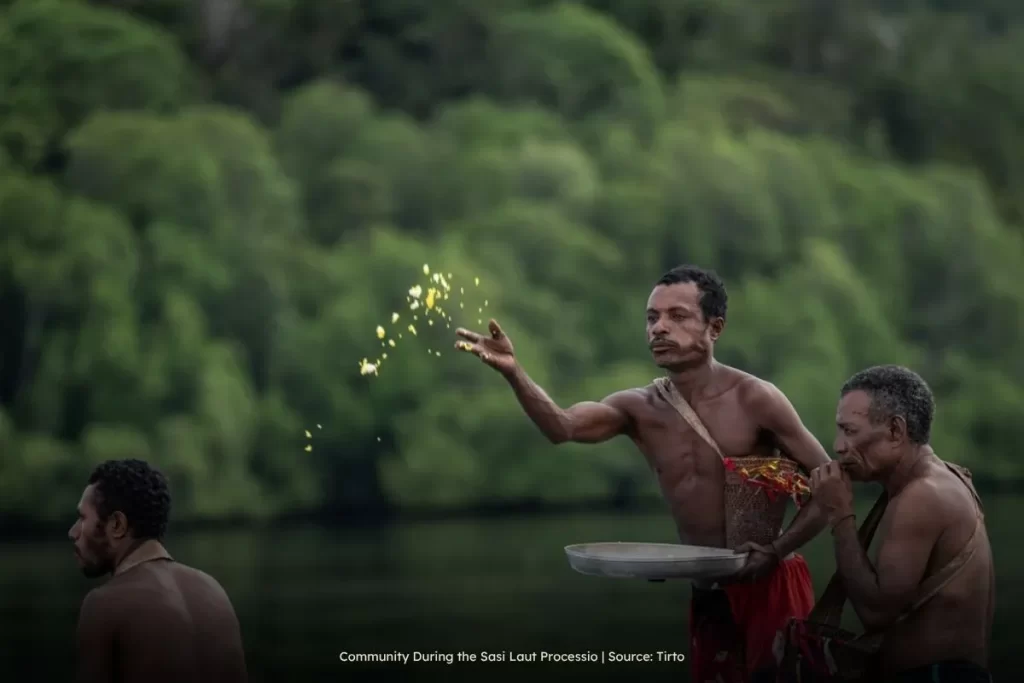
Sasi Laut, a customary marine management system practiced by coastal communities across Maluku. Rather than allowing year-round harvesting, Sasi Laut establishes a temporary closure (masa tutup sasi) over designated coastal waters or specific marine species such as sea cucumbers, shellfish, and lobsters. During this period, community members are prohibited from collecting or catching resources until the customary leaders officially reopen the area. Depending on local customary rules, the closure may last from several months to more than a year, allowing breeding populations to recover before harvesting resumes. When the closure ends, the reopening is often marked by a community ceremony that celebrates both the harvest and the collective responsibility that made it possible.
awig-awig: customary law with environmental impact
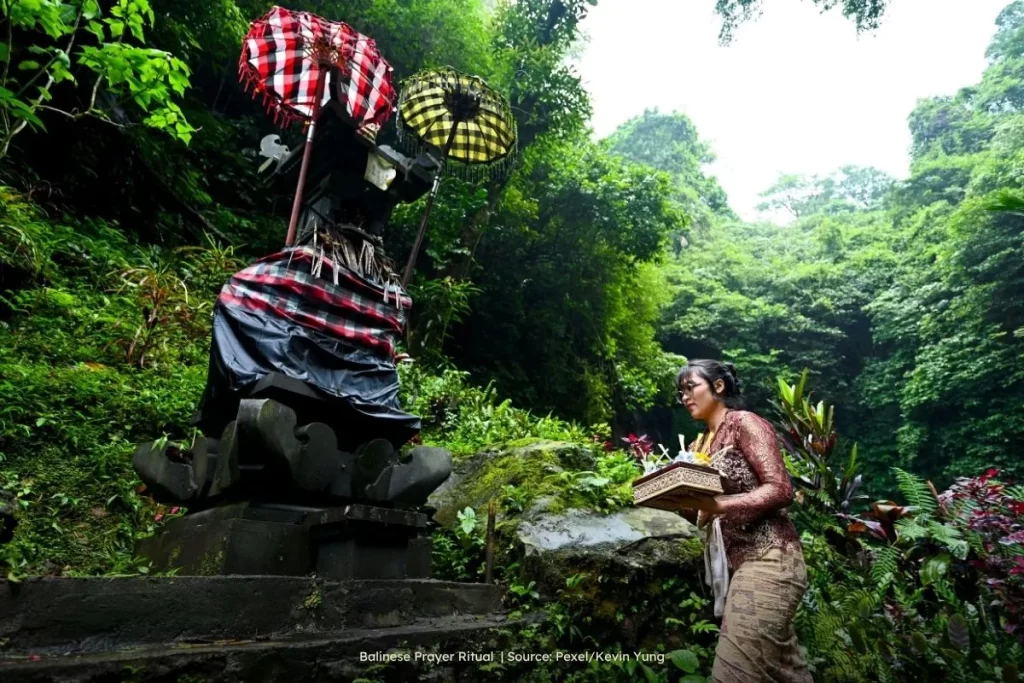
In Bali and Lombok, many villages continue to uphold Awig-awig, a body of customary law that regulates both social life and environmental stewardship. While each community develops its own rules, Awig-awig commonly governs issues such as forest protection, water management, irrigation systems, coastal resources, and waste disposal. These regulations are created and enforced collectively, giving communities a direct role in safeguarding the landscapes on which they depend.
Compliance is encouraged not only through formal sanctions but also through social accountability. Because the rules are shaped by the community itself, they often carry greater legitimacy than externally imposed regulations. In many cases, customary governance works alongside government policy, demonstrating how traditional institutions can complement modern environmental management.
forest guardians: the egek tradition of papua
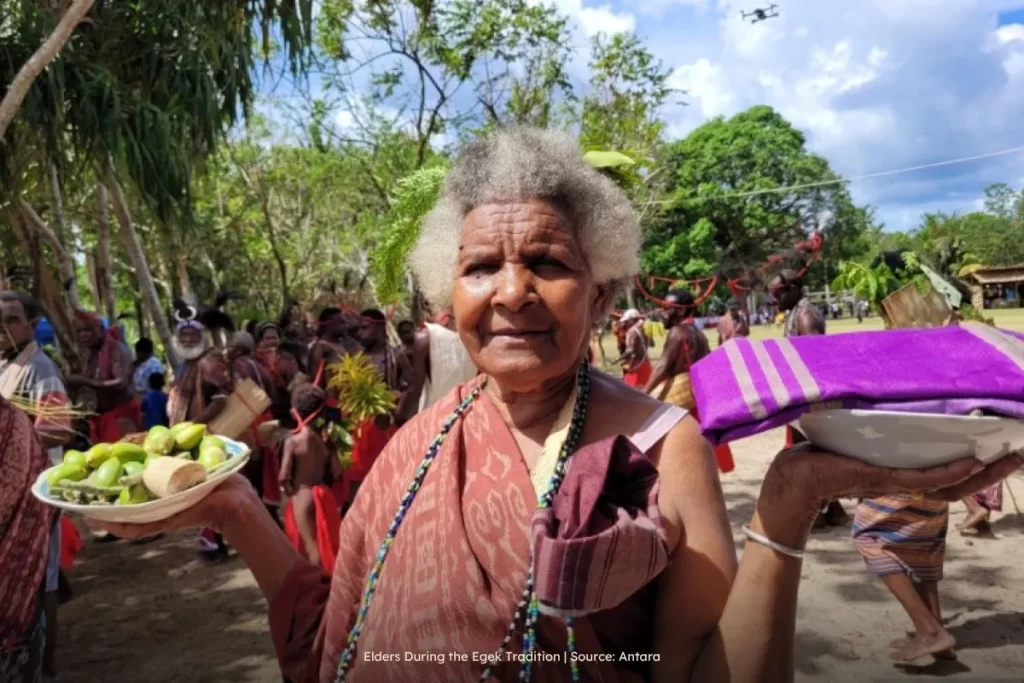
In Southwest Papua, the Moi Indigenous people protect their customary forests through Egek, a traditional conservation system that regulates how forests and coastal resources are used. Rather than allowing unrestricted access, Egek divides customary land into three zones with different levels of protection. The Soo zone is a sacred core area where entering the forest or cutting trees is strictly prohibited. The Kofok zone protects culturally significant sites, including ancestral locations and clan totems. Meanwhile, the Egek zone is designated for limited use and is temporarily closed to allow forests and wildlife to regenerate before harvesting is permitted again.
Before an Egek area is reopened, the community holds traditional ceremonies, including cultural dances and collective prayers led by customary elders. Even during the harvest period, only traditional tools may be used, and collecting juvenile animals or species during their breeding season is prohibited. The harvest is not intended for individual profit alone its benefits are often shared to support community needs such as education, healthcare, and places of worship.
why traditional knowledge still matters
Scientific research increasingly supports what many Indigenous communities have practiced for centuries. Ecosystems are often healthiest when resource use is carefully managed, harvesting follows natural cycles, and local communities have a meaningful role in decision-making. Traditional conservation systems also offer something that modern policies sometimes struggle to achieve: a deep sense of shared responsibility.
Because environmental rules are embedded within cultural identity, compliance is motivated not only by enforcement but also by values, relationships, and collective stewardship. Conservation becomes part of community life rather than an external obligation. This perspective is gaining recognition as governments and conservation organizations seek more inclusive approaches to biodiversity protection.