Travel has always been about discovery. New places, new cultures, and new perspectives often become the highlights of our journeys. But in today’s world, travel carries a deeper question: what impact do we leave behind when we visit a destination?
Tourism is one of the largest global industries. It creates jobs, supports local economies, and connects people across cultures. Yet at the same time, it can quietly damage the very places travelers come to admire. Overcrowded beaches, rising waste, and fragile ecosystems under pressure are now common realities in many popular destinations.
This is where the concept of Travel Positive becomes important. Instead of simply minimizing harm, Travel Positive encourages travelers to move one step further to travel with awareness, respect, and responsibility so that destinations can thrive long after we leave
how traveler behavior directly impacts destinations

Many travelers assume tourism’s biggest impacts come from governments or large corporations. In reality, individual traveler behavior also plays a powerful role.
Small decisions where we stay, what businesses we support, and how we interact with local culture can shape tourism systems over time.
communities and local economies
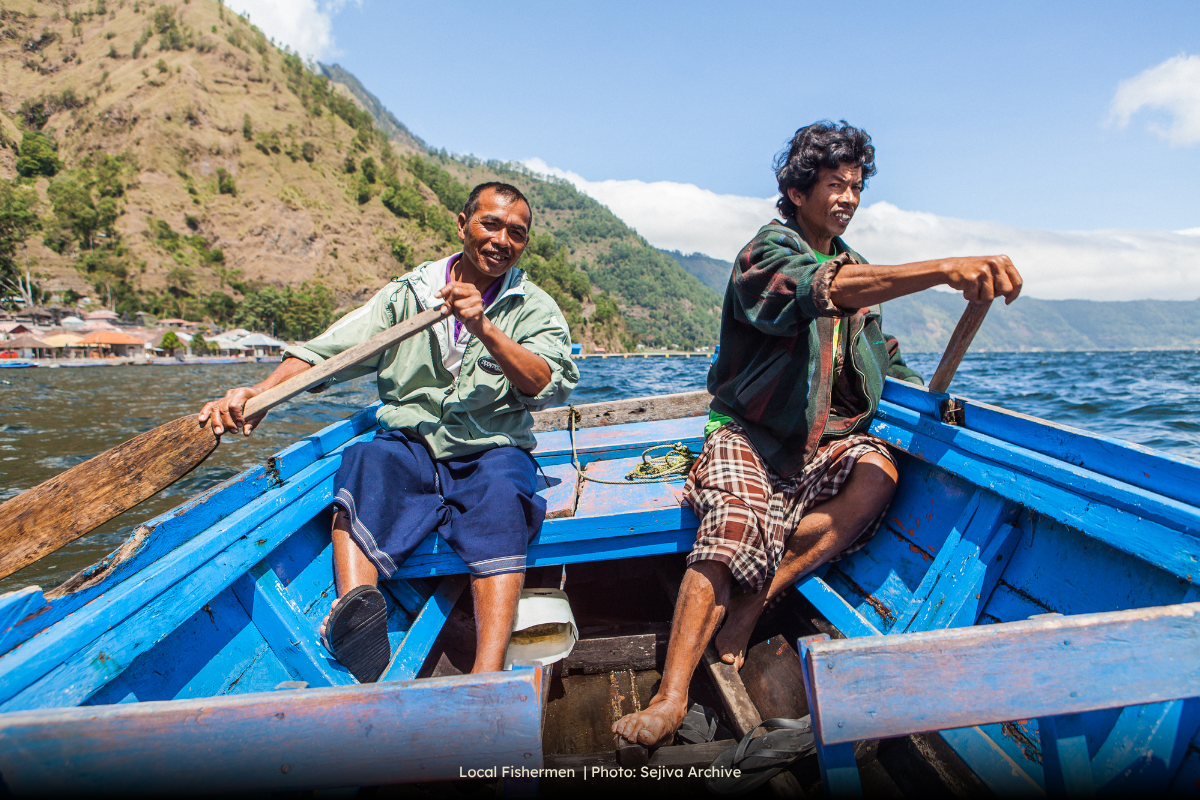
Tourism can create valuable economic opportunities. Local guides, artisans, food vendors, and family-run accommodations often depend on visitor spending.
But when tourism is dominated by large external investors, much of the economic benefit leaves the destination. Choosing locally owned businesses helps ensure tourism income stays within communities.
ecosystems and biodiversity
Natural environments are often the main reason people travel. Coral reefs, forests, mountains, and wildlife areas attract millions of visitors each year. Yet these ecosystems are highly sensitive.
Unmanaged tourism can lead to pollution, habitat damage, and biodiversity loss. Responsible travel choices help protect the ecosystems that make these destinations unique.
cultural dignity
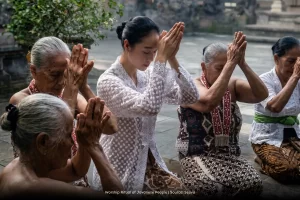
Culture is not an attraction it is a living system shaped by generations of knowledge and tradition. When tourism treats culture purely as entertainment, communities risk losing control over how their traditions are represented.
Conscious travel encourages curiosity and humility, allowing visitors to engage with culture respectfully.
what makes indonesia especially vulnerable to overtourism?
Indonesia is one of the world’s most diverse tourism destinations. The archipelago spans more than 17,000 islands and contains extraordinary ecosystems, from tropical rainforests to coral reefs. At the same time, the country is home to hundreds of ethnic groups and cultural traditions.
This richness attracts millions of visitors every year. But it also means Indonesia is particularly vulnerable to overtourism and environmental pressure.
bali and the reality of overtourism
According to Indonesia’s tourism statistics, the country received around 14 million international visitors in 2024, with more than 6 million entering through Ngurah Rai International Airport in Bali.
This means nearly half of international tourism is concentrated on a single island. As reported by Time , tourism contributes roughly 60–70% of Bali’s local economy, demonstrating the island’s strong dependence on the industry.
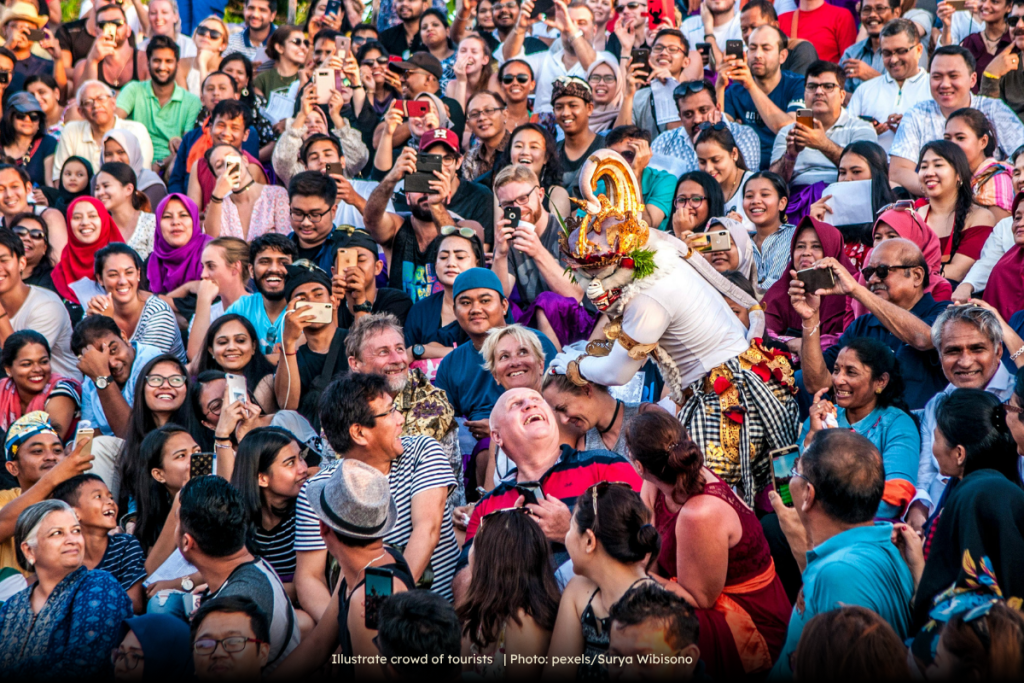
However, rapid tourism growth has also brought challenges such as traffic congestion, waste management issues, and pressure on water resources. These issues are increasingly associated with overtourism in Bali.
labuan bajo and rapid tourism growth
Labuan Bajo, the gateway to Komodo National Park, has also seen rapid tourism development in recent years. As visitor numbers grow, authorities have considered limiting daily visitors in order to protect the fragile habitat of the Komodo dragon and surrounding marine ecosystems.
This highlights an important reality: some natural destinations simply cannot support unlimited tourism growth.
raja ampat and fragile marine ecosystems
In eastern Indonesia, Raja Ampat represents one of the most biodiverse marine environments on Earth. Marine research often notes that the region contains around 75% of the world’s coral species and more than 1,600 species of fish.
This extraordinary biodiversity attracts divers and eco-tourists from around the world. However, coral reef ecosystems are extremely sensitive to environmental pressure such as boat traffic, coastal development, and poorly managed tourism activities.
Protecting destinations like Raja Ampat requires careful balance between tourism and conservation.
why tourism must go beyond “do no harm”

Tourism has long been guided by one principle: “do no harm.” Travelers are encouraged to respect local culture, protect nature, and avoid damaging destinations. However, as global tourism continues to grow, especially after the post-pandemic recovery noted by the United Nations World Tourism Organization (UNWTO), this approach is no longer enough. When visitor numbers grow faster than destinations can manage, several problems begin to appear:
- Environmental degradation
- Rising living costs for local communities
- Cultural traditions reduced to tourist performances
The evolution of tourism reflects this challenge. Mass tourism prioritizes scale and efficiency, often turning destinations into products and travel into a checklist of attractions. Sustainable tourism later emerged to reduce these impacts by protecting ecosystems, supporting local economies, and preserving cultural heritage. Yet sustainability mainly focuses on reducing harm, rather than actively improving the condition of destinations.
from mass tourism to regenerative tourism
This is why the idea of regenerative tourism and Travel Positive is gaining attention. Instead of simply minimizing damage, this approach asks how travel can actively contribute to destinations by:
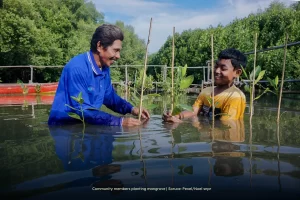
- Restoring ecosystems
- Strengthening local communities
- Supporting cultural resilience
In this mindset, travelers are no longer just consumers of experiences, but participants in a living system that shapes the future of the places they visit.
Source:
Badan Pusat Statistik Provinsi Bali. (2024). Number of foreign visitors arriving directly by nationality to Bali, 2019–2024 – BPS Bali Statistics Table
Time Magazine. (2024). Bali overtourism, tourist tax, behavior rules, and economy in Indonesia – Time