Traveling during Ramadan is not about restriction, it is about awareness.
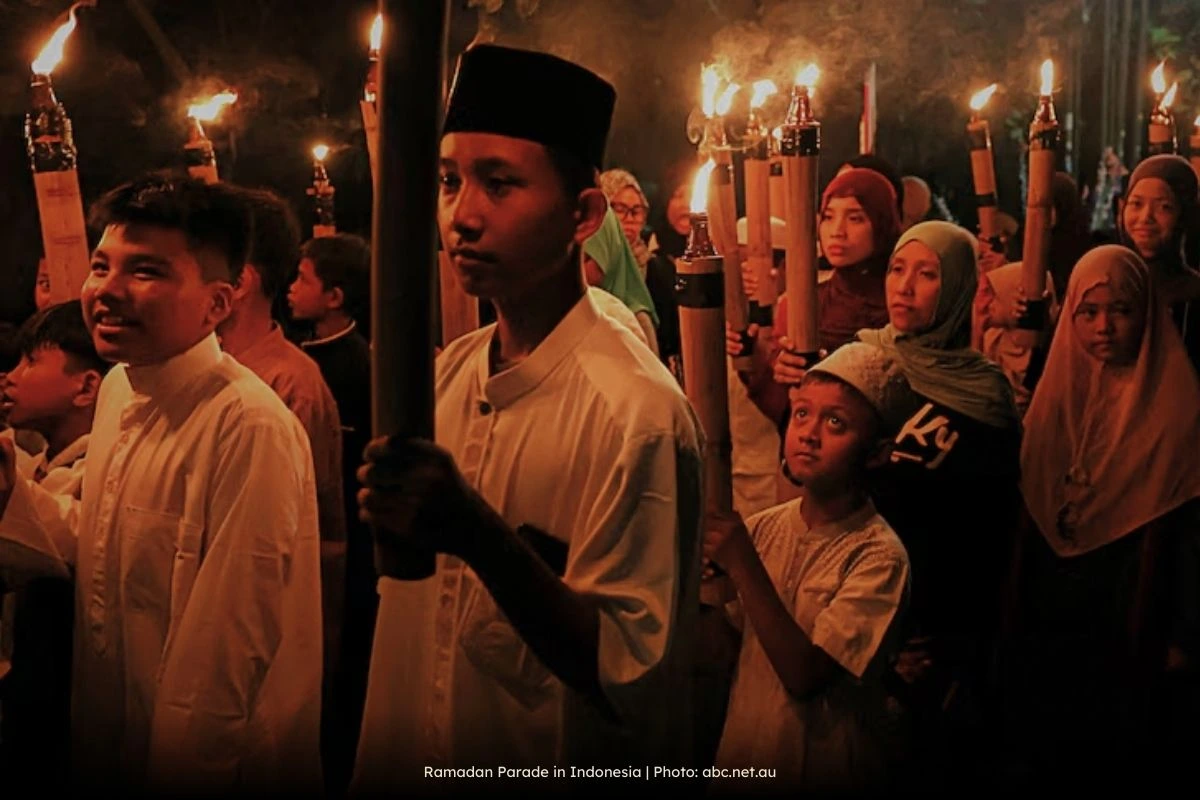
Across regions, Ramadan transforms the rhythm of public life. Streets soften during the day. Evenings become luminous. Schedules shift. Energy recalibrates. For travelers, this sacred month offers something rare: the opportunity to witness a society moving in collective reflection.
To understand the scale of this transformation, consider Indonesia. Based on official data from the Directorate General of Population and Civil Registration (Ditjen Dukcapil), Ministry of Home Affairs, as of Semester I 2025, 87.13% of Indonesia’s population, approximately 249.7 million people, identifies as Muslim. The Pew Research Center also consistently ranks Indonesia as the country with the world’s largest Muslim community.
This means Ramadan does not influence a small segment of society. It shapes the rhythm of daily life for hundreds of millions of people. In other words, Ramadan is not simply a seasonal religious observance, it becomes a nationwide spiritual atmosphere that transforms how a country moves, works, and gathers.
Traveling respectfully during Ramadan begins with recognizing that you are entering sacred time.
Also read: 5 Traditions to Welcome Ramadan in Indonesia
understanding the rhythm of ramadan
One of the most important travel tips during Ramadan is understanding the daily rhythm shift.
During Ramadan, days begin before sunrise with suhoor (the pre-dawn meal), followed by long hours of fasting. Energy is conserved. Offices may adjust working hours. Restaurants may open later. The pace of daytime life often feels quieter and more restrained.
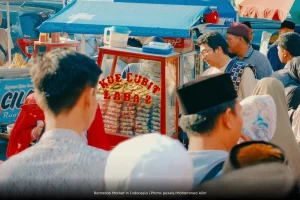
Then, at sunset, everything changes. The call to prayer marks iftar, the breaking of the fast. Streets fill with food vendors. Families gather. Public spaces feel warm and celebratory. Within minutes, stillness turns into shared joy.
When traveling during Ramadan, aligning your schedule with this rhythm enhances both respect and experience. Plan active exploration earlier in the day. Embrace the vibrancy of evenings.
Cultural etiquette during Ramadan often begins with understanding time itself.
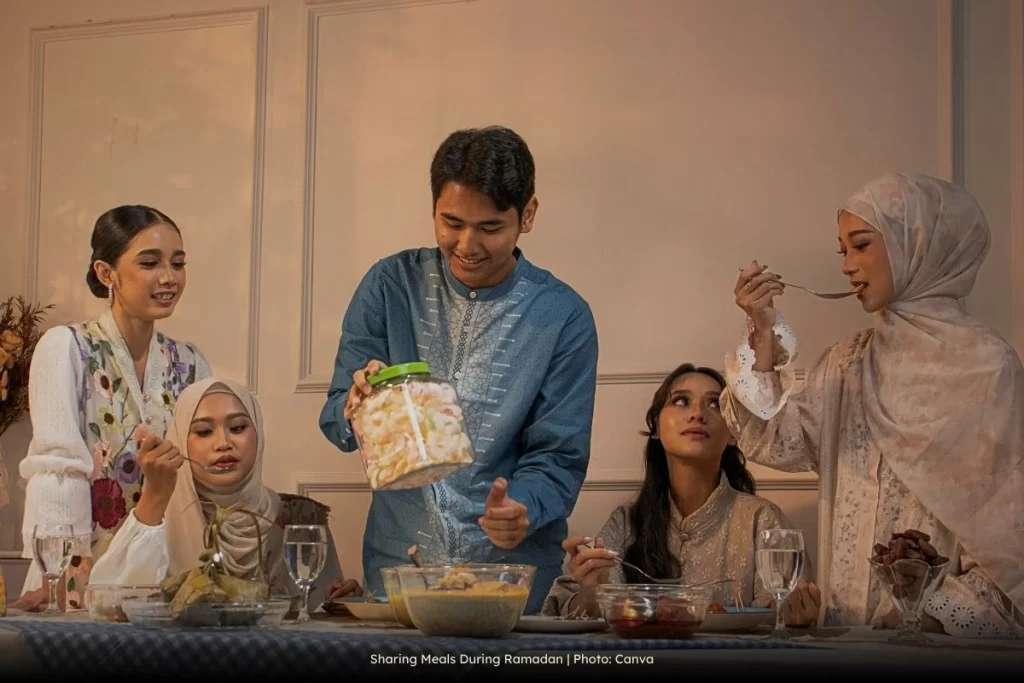
eating and drinking in public during ramadan
A common question in Ramadan travel etiquette is whether non-Muslims can eat during the day.
Visitors are not required to fast. However, in Muslim-majority areas, openly eating, drinking, or smoking in public during fasting hours can feel insensitive, particularly in more conservative communities. Many establishments remain open but operate discreetly. The most reliable guide is observation. Notice how locals behave and mirror the general tone.
Travel respectfully during Ramadan by practicing discretion rather than anxiety. Choosing private dining spaces or designated areas demonstrates awareness of the spiritual discipline surrounding you.
Small gestures carry cultural weight.
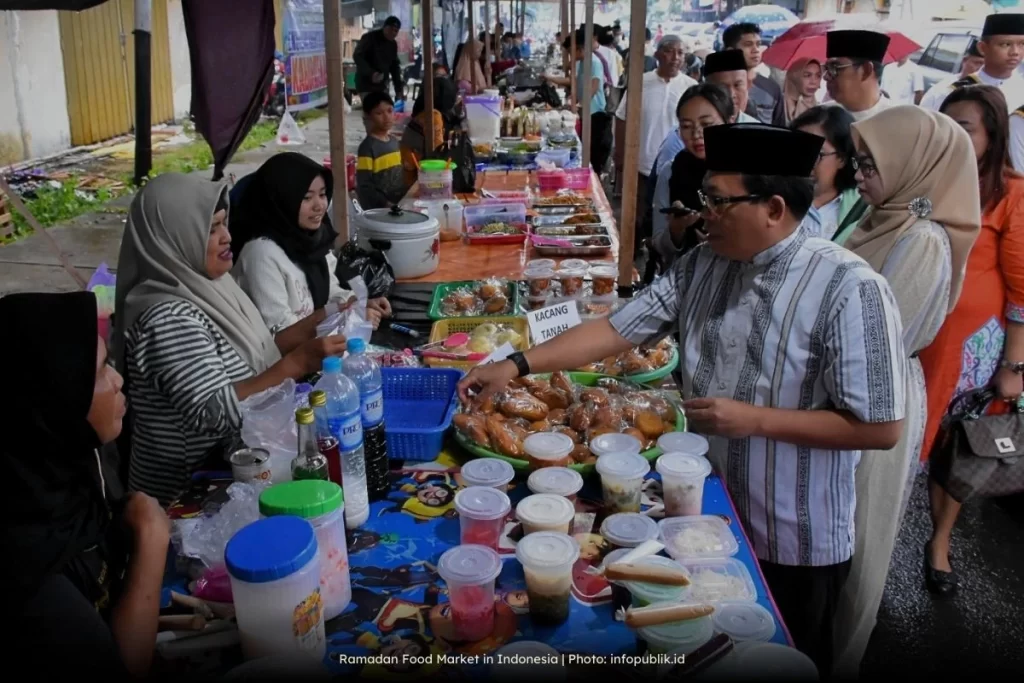
dressing with cultural awareness
Another essential travel tip during Ramadan involves dress.
Ramadan often brings a more modest atmosphere to public spaces. While expectations vary, clothing that covers shoulders and knees is generally appreciated, especially near mosques, community spaces, and residential neighborhoods. This does not require abandoning personal style. It reflects cultural literacy, the ability to adapt respectfully without losing authenticity.
When traveling during Ramadan, thoughtful dress communicates understanding before a single word is spoken.
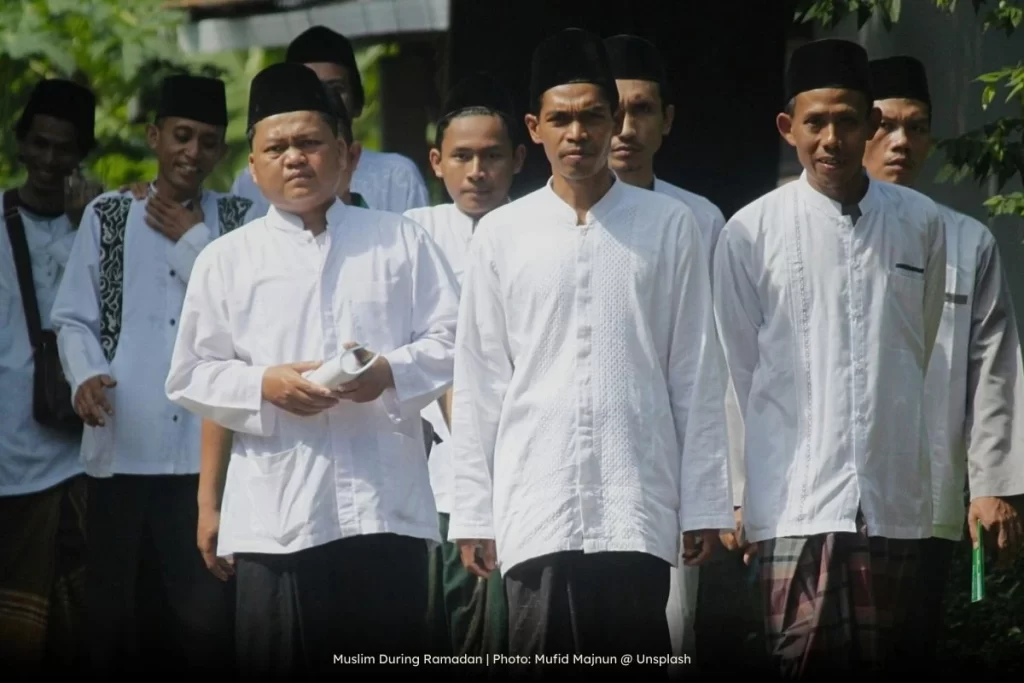
public behavior and shared social values
Ramadan centers on patience, generosity, and self-restraint. Public life reflects these principles.
Nightlife districts may reduce operating hours. Loud or disruptive behavior can feel out of place. In some destinations, public intoxication may be restricted during the holy month.
Rather than perceiving this as a limitation, consider it an invitation to engage more deeply. Visit local markets before iftar. Observe families gathering to break the fast. Notice how generosity expands, sharing food is common, even with strangers.
Respectful travel during Ramadan is not about shrinking your experience. It is about expanding your awareness.
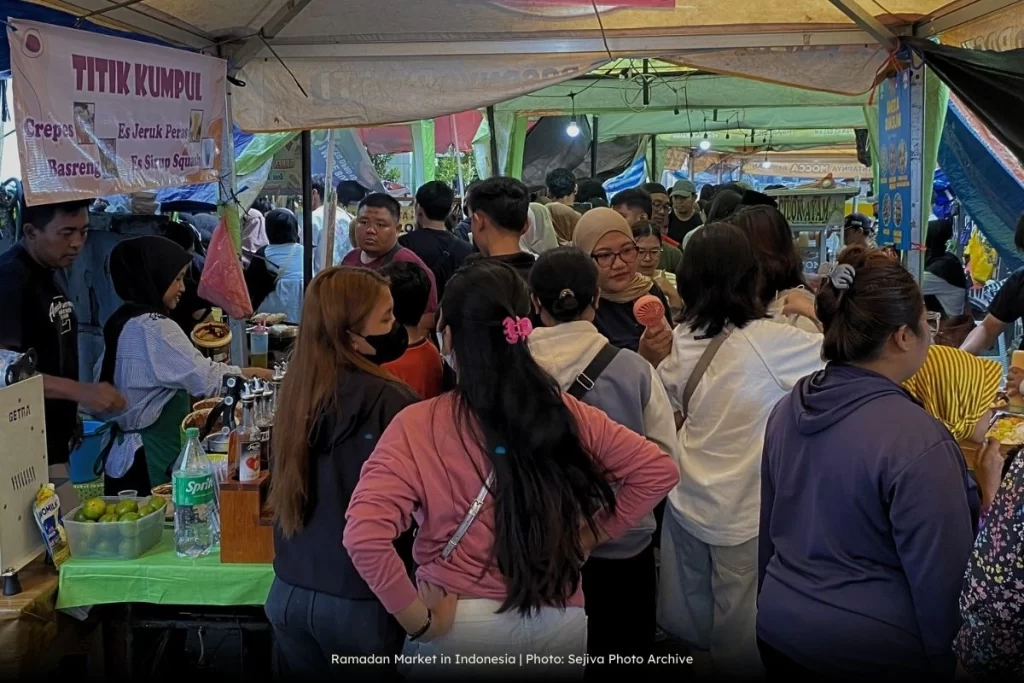
being observant: the most important travel skill
At its core, Ramadan travel etiquette comes down to one principle: observe first, act second.
Pay attention to daily patterns. Notice changes in tone. Adjust naturally. Most Muslim communities do not expect visitors to understand every religious nuance. What matters is effort.
Respect is curiosity practiced consistently. A simple greeting at sunset. Patience if service moves more slowly. A willingness to adjust plans. These subtle adaptations transform travel from passive consumption into meaningful participation.
respect as cultural literacy
Travel during Ramadan highlights a deeper truth: etiquette is cultural literacy.
Understanding daily rhythm shifts, practicing discretion in public behavior, dressing thoughtfully, and adapting with awareness reflects maturity as a traveler. It shows that you see a destination as more than scenery, you see it as a community shaped by values.
This mindset aligns closely with the #TravelPositive movement, which encourages conscious and responsible journeys. Travel Positive is not about avoiding places during sacred seasons. It is about engaging with them more thoughtfully, ensuring your presence supports, rather than disrupts, local life.
When travelers approach Ramadan with empathy, they experience something richer than tourism. They experience connection.
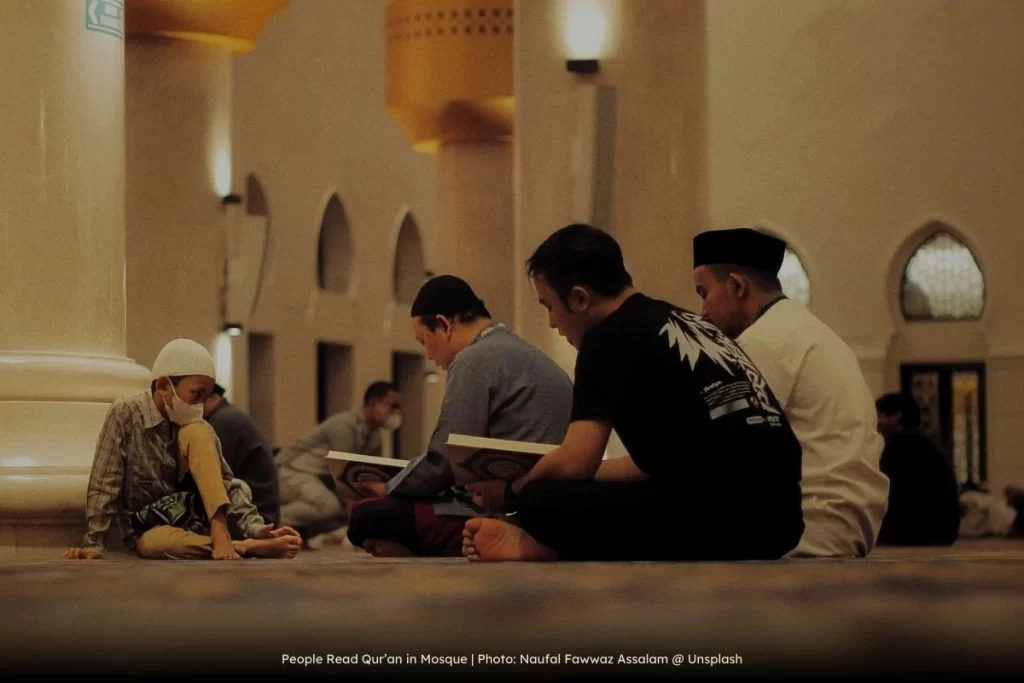
traveling during ramadan with intention
You can still explore beaches, heritage districts, and cultural landmarks during Ramadan. You can dine, discover, and engage.
The difference lies in awareness. To travel respectfully during Ramadan is to understand that sacred seasons carry meaning for the communities that host you. When you adjust your rhythm, behavior, and expectations accordingly, you gain something far more valuable than convenience.
You gain insight. And in that insight, travel becomes a relationship.