Imlek, or Lunar New Year, is often associated with vibrant red decorations, lanterns, fireworks, and joyful gatherings. Yet in Indonesia, Imlek carries meanings far deeper than festive visuals. It is a time of renewal, gratitude, family reunion, and cultural continuity, shaped by local history and community values.
Across the archipelago, Imlek is celebrated in diverse ways, from large public festivities to intimate home-based rituals. For travelers, experiencing Imlek in Indonesia is not about chasing spectacles, but about understanding cultural rhythms and respecting local traditions. This approach aligns closely with the #TravelPositive movement, which encourages mindful, respectful, and community-aware travel.
Here are five of the best destinations to experience Imlek in Indonesia, each offering a unique perspective on how tradition, place, and people come together to welcome a new beginning.
1. singkawang, west kalimantan
the heart of imlek celebration in indonesia
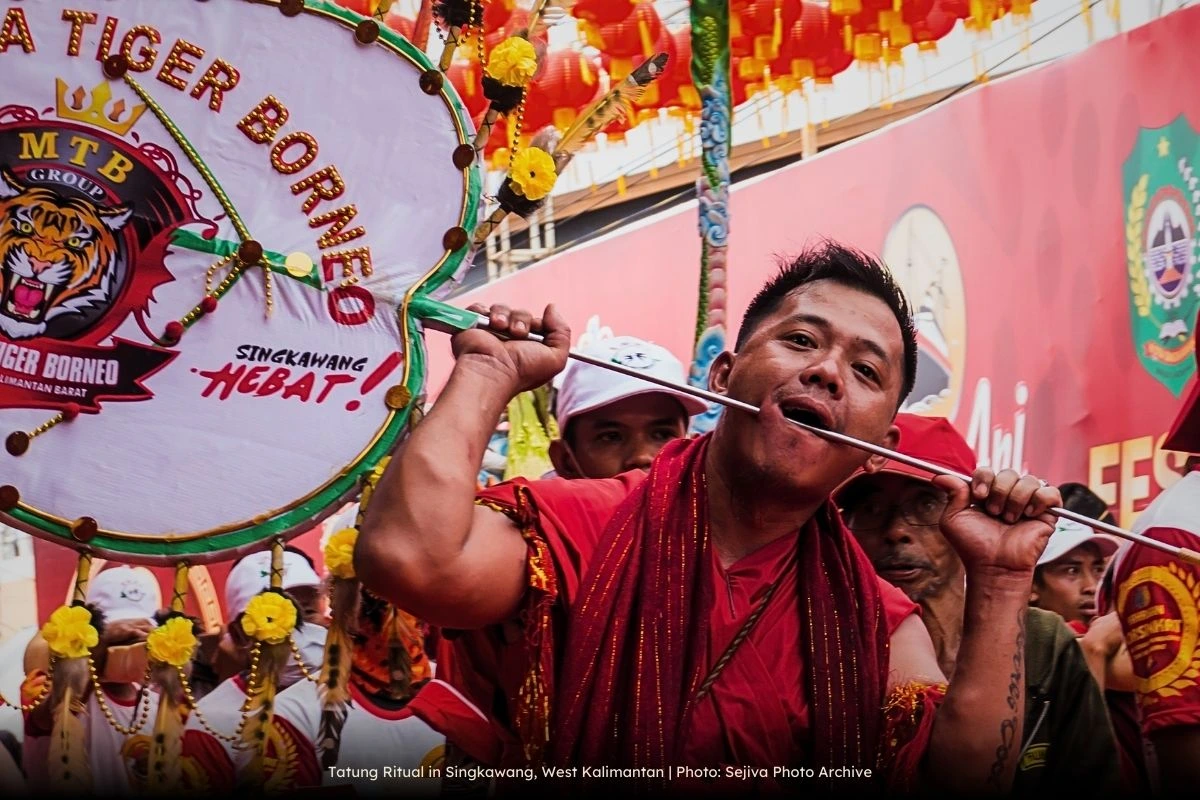
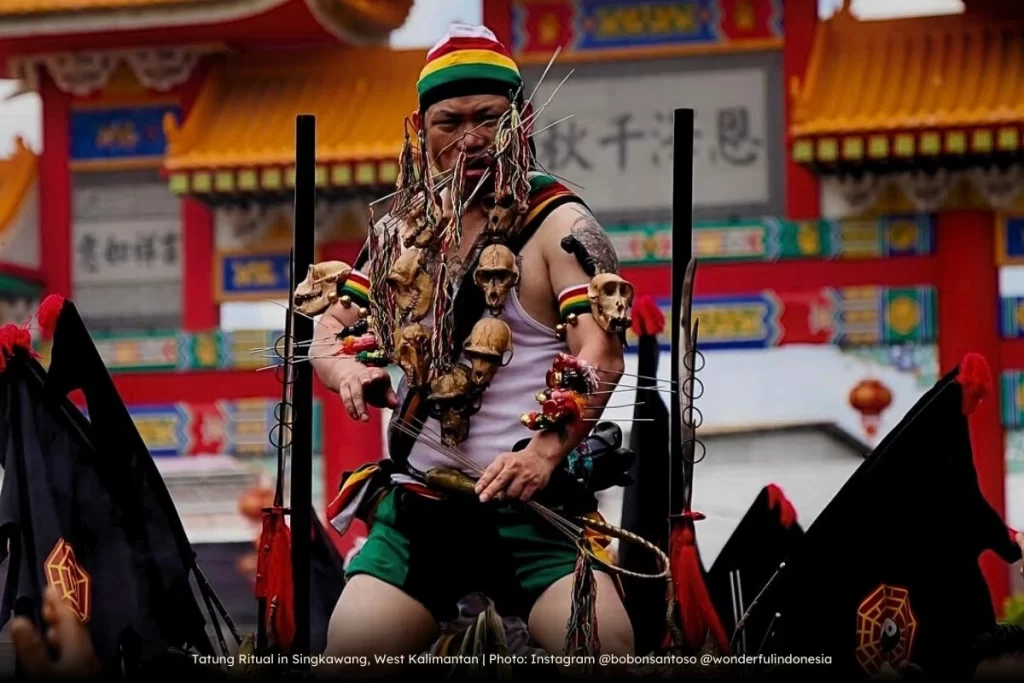
Singkawang is widely regarded as the most iconic destination for Imlek celebrations in Indonesia. Home to a large Chinese-Indonesian community, the city transforms entirely during the Lunar New Year period. Streets are decorated with lanterns, temples become spiritual centers, and families engage in rituals that have been passed down for generations.
What sets Singkawang apart is how Imlek here is not treated as a one-day event. Preparation begins days before, with community-led activities such as temple cleaning, home rituals, and neighborhood gatherings. The celebration feels deeply rooted in daily life rather than staged for visitors.
Singkawang demonstrates how cultural celebrations can remain authentic even as they attract attention. For travelers, it offers a chance to observe Imlek as a living tradition shaped by community values and collective memory.
2. jakarta (glodok & kota tua area)
imlek in a multicultural urban setting
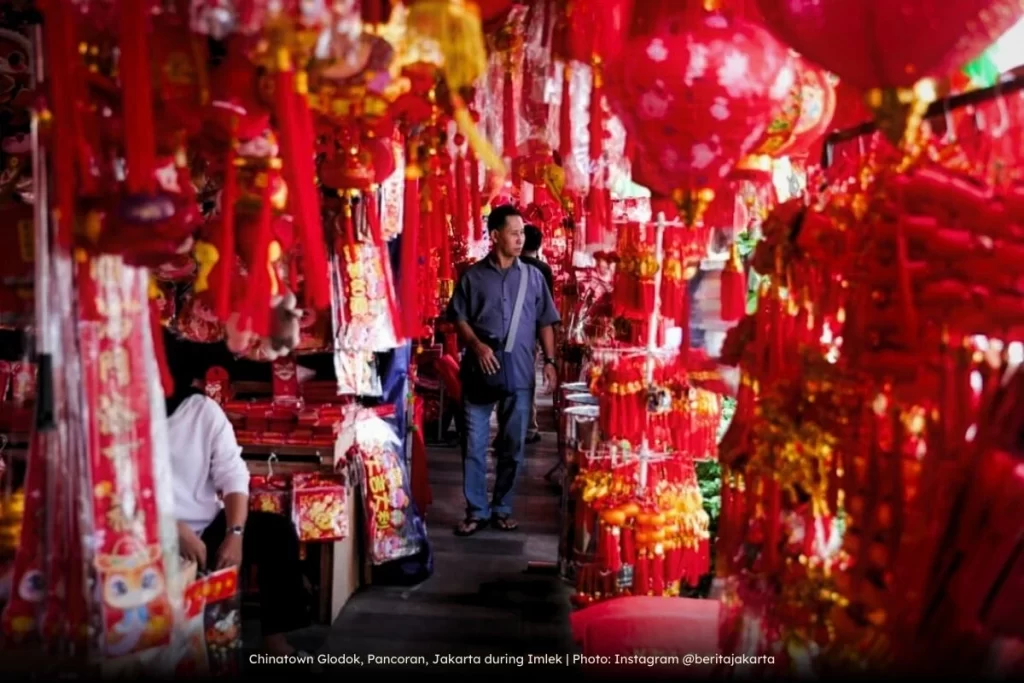
Glodok, Jakarta’s historic Chinatown, provides a unique Imlek experience set within Indonesia’s capital city. During Imlek, the area comes alive with red lanterns, traditional markets, and temple activities, particularly around Jin De Yuan Temple (also known as Vihara Dharma Bhakti or Kim Tek Ie Temple).
Imlek in Jakarta reflects how tradition adapts to urban life. Amid modern buildings and fast-paced routines, cultural practices continue quietly through prayers, family visits, and symbolic rituals. The celebration is woven into the city’s multicultural fabric rather than isolated in a single event.
Glodok shows that cultural heritage can survive and adapt within modern cities. For travelers, it offers insight into how Imlek exists as part of everyday urban life, not just as a festival moment.
3. medan, north sumatra
imlek through family and food
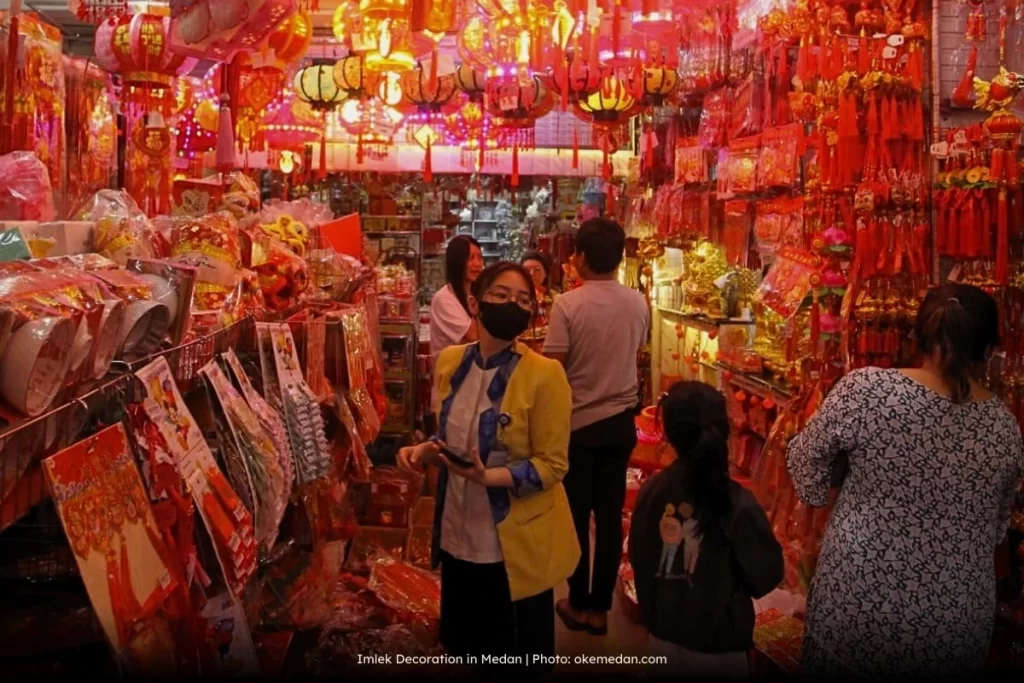
In Medan, Imlek is deeply centered on family reunions and culinary traditions. Many Chinese-Indonesian families return home specifically to celebrate Imlek together, making the holiday a powerful moment of reconnection.
Food plays a central role, with each dish carrying symbolic meaning related to prosperity, harmony, and longevity. Rather than large public celebrations, Imlek in Medan often unfolds within homes, around shared meals, prayers, and conversations across generations.
Medan highlights the emotional core of Imlek. It is a reminder that meaningful cultural experiences are often found in quiet, personal moments rather than public spectacle.
4. semarang, central java
where cultures blend harmoniously
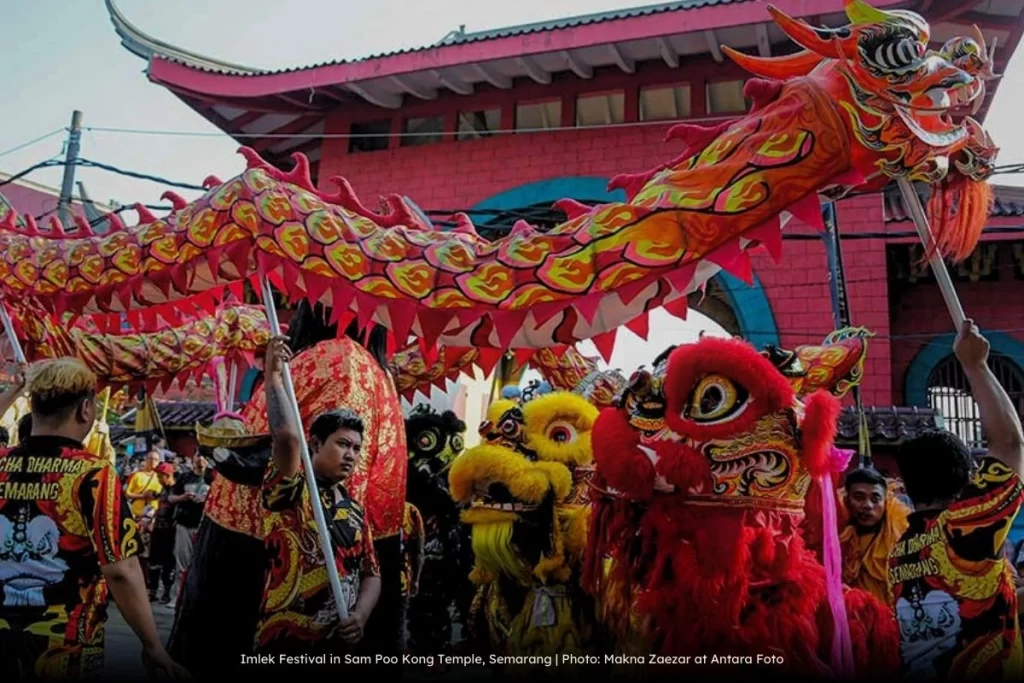
Semarang offers an Imlek experience shaped by Chinese–Javanese cultural fusion. At landmarks such as Sam Poo Kong Temple, Chinese traditions coexist with Javanese values of balance, respect, and harmony.
Celebrations here tend to be calm and reflective. Rituals emphasize gratitude and spiritual grounding rather than extravagance. This blending of cultures reflects centuries of interaction and coexistence between communities.
Semarang illustrates that traditions are not fixed; they evolve with place. The city offers a deeper understanding of how cultural identity adapts while preserving meaning.
5. bangka–belitung islands
imlek rooted in ancestry and reflection
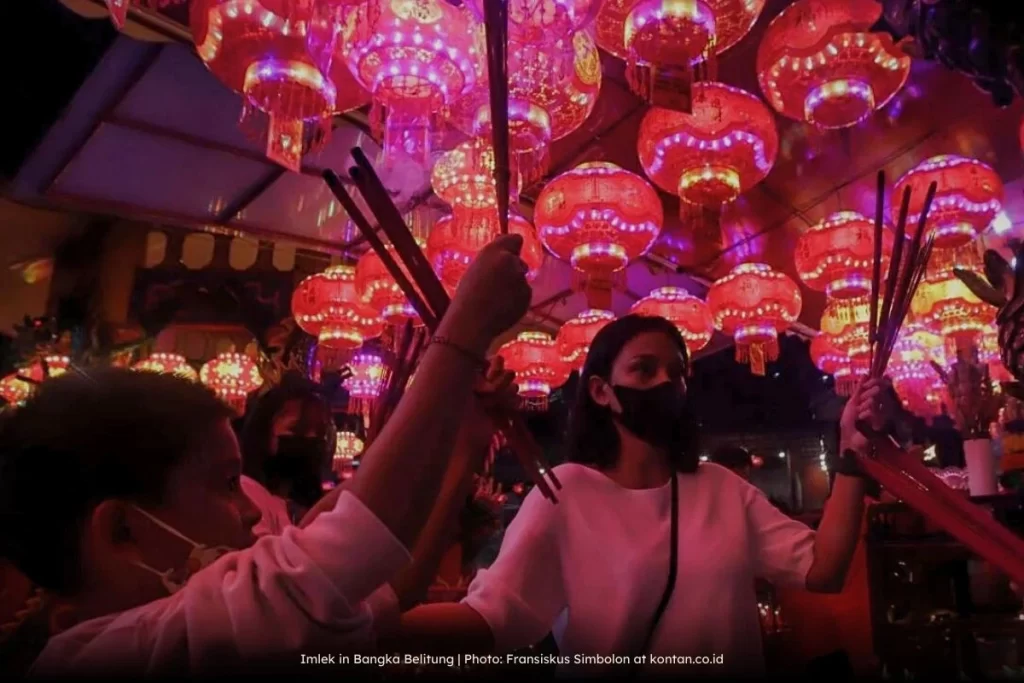
In Bangka–Belitung, Imlek is closely tied to ancestral respect and lineage. Many families begin the celebration by visiting temples or ancestral graves, offering prayers of gratitude before welcoming the new year.
The atmosphere is quieter and more introspective compared to other destinations. Home-based rituals, family presence, and reflection take precedence over public celebration.
Bangka–Belitung invites travelers to slow down. Imlek here is about remembrance, gratitude, and continuity, values that resonate strongly with mindful and respectful travel.
experiencing imlek through a #travelpositive lens
Experiencing Imlek in Indonesia is not about finding the biggest crowd or the most dramatic celebration. It is about choosing to travel with awareness, understanding when to observe, when to step back, and how to respect cultural space.
Through the #TravelPositive movement, Imlek can be seen as:
- A reminder of the importance of family and community
- A cultural cycle of preparation, celebration, and closure
- An opportunity to experience destinations through values, not consumption
Travelers who approach Imlek with curiosity and respect often gain a deeper appreciation of Indonesia’s cultural diversity and shared humanity.
final reflection
Each destination offers a different expression of Imlek, from Singkawang’s community-wide celebration to Bangka–Belitung’s quiet ancestral rituals. Together, they show that Imlek in Indonesia is not a single story, but many interconnected ones.
For those willing to slow down and listen, Imlek becomes more than a holiday. It becomes a lesson in gratitude, continuity, and the power of cultural rhythm, reminding us that the most meaningful journeys are often shaped by people, not places alone.